The real choice isn’t where, it’s total cost
I hovered over a €19 Wizz Air fare on my phone at 11:47 p.m., thumb stuck between “Continue on Skyscanner” and “Go to airline.” The price looked unbeatable, but the small-print icons for “personal item only” and “online check-in” were doing that quiet-threat thing. I’d been burned before: the fare was cheap, the trip wasn’t.
The real decision usually isn’t “OTA vs direct,” it’s whether you can predict the all-in total without getting forced into last-minute choices. A €10–€25 swing can come from baggage sizing rules, seat selection (or tolerating a middle seat in the back), card/payment fees, or an airport counter charge if check-in goes sideways. OTAs sometimes surface a lower headline price, but the trade-off is control: if you need to add a cabin bag, fix a name detail, or align passengers on the same booking, doing it later can cost more than buying “the right bundle” upfront.
This matters most on 3–5 day city breaks where timing is tight and you’re tired: arriving late, standing in a service line, then discovering you paid twice for something is the opposite of budget travel. If you travel light and won’t touch seats or bags, chasing the cheapest channel can work. If there’s even a 30% chance you’ll add a bag or need support during a disruption, the “cheapest” option is the one with the fewest expensive surprises.
What just got easier with Wizz Air bookings
At 12:06 a.m. I finally hit “Book” on an OTA, then immediately did the thing I used to dread: switching to the Wizz Air app to see if the reservation actually existed. A year ago that could turn into a scavenger hunt for a PNR buried in an email thread. This time, the airline booking showed up with less poking around, and that alone lowered my stress more than the €3 I’d “saved.”
What’s gotten easier (when it works) is the handoff: more OTAs now pass through the airline reference cleanly, so you can manage the trip in Wizz Air’s channels without feeling like you’re locked out. That matters because the app is still where the clock is loudest—check-in windows, boarding pass retrieval, and the last-minute “do I risk personal-item-only?” decision. Compared with relying on an OTA dashboard, the airline flow is faster at the airport, but it’s also less forgiving: if your baggage choice is wrong, you find out in a line, not in a notification.
If you’re truly traveling light and won’t touch seats, bags, or names, an OTA booking is less of a penalty than it used to be. If there’s a decent chance you’ll need a name tweak, a refund path, or help during a schedule change, “easier access” can still turn into “two support teams, one problem,” and that’s when booking direct earns its premium.
Which platforms to search, then book
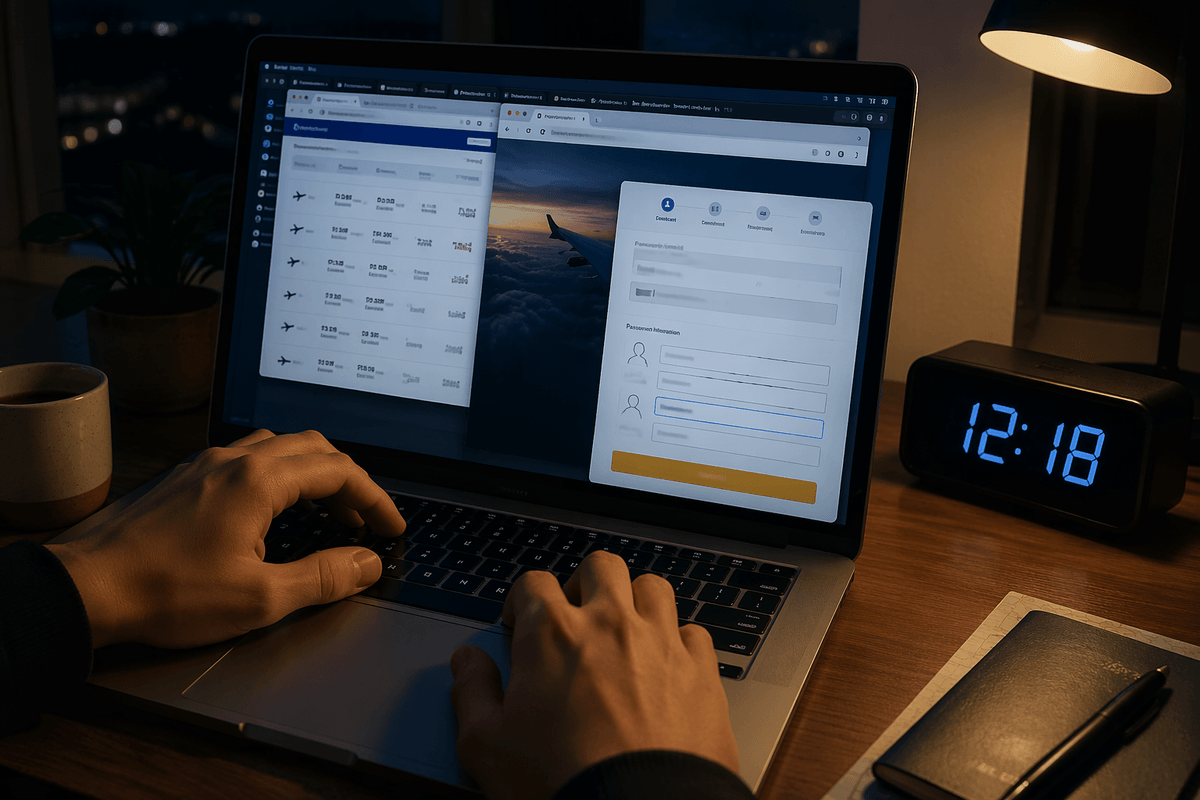
At 12:18 a.m., I had three tabs open and one deadline: a fare that kept flashing “2 seats left” while my train-to-airport options got worse by the minute. Skyscanner showed the cheapest price, Google Flights showed the most sane times, and an OTA checkout page was already trying to sell me “priority support” for more than the fare itself. I paused on the passenger-name field because that’s where “easy” bookings start to get expensive.
For searching, I still trust metasearch more than any single storefront: Skyscanner is ruthless on headline price, while Google Flights is better at spotting the trade-off you actually feel—an extra connection, a worse airport, or a 6:10 a.m. departure that turns your “3-day break” into a 2.5-day one. Once I find the route, I use the OTA listing as a price signal, not a commitment: if it’s only €5–€15 cheaper than Wizz Air direct, I’m usually paying that difference to keep changes, add-ons, and check-in steps in one place. If the gap is meaningfully bigger, I’ll keep going—but only if the OTA clearly shows the baggage allowance and the Wizz Air booking reference will be usable in the app.
Where people get tripped up is treating “book” as the end of the job. With Wizz Air, it’s often the start: you still want the reservation visible in the airline app quickly, because that’s where check-in timing, boarding passes, and baggage add-ons behave predictably. OTAs can be fine for travelers who won’t touch seats, bags, or names; they’re a worse fit if you’re likely to adjust anything after purchase, because saving €12 upfront isn’t worth two dashboards and a customer-service relay when something shifts.
How to spot fees before checkout
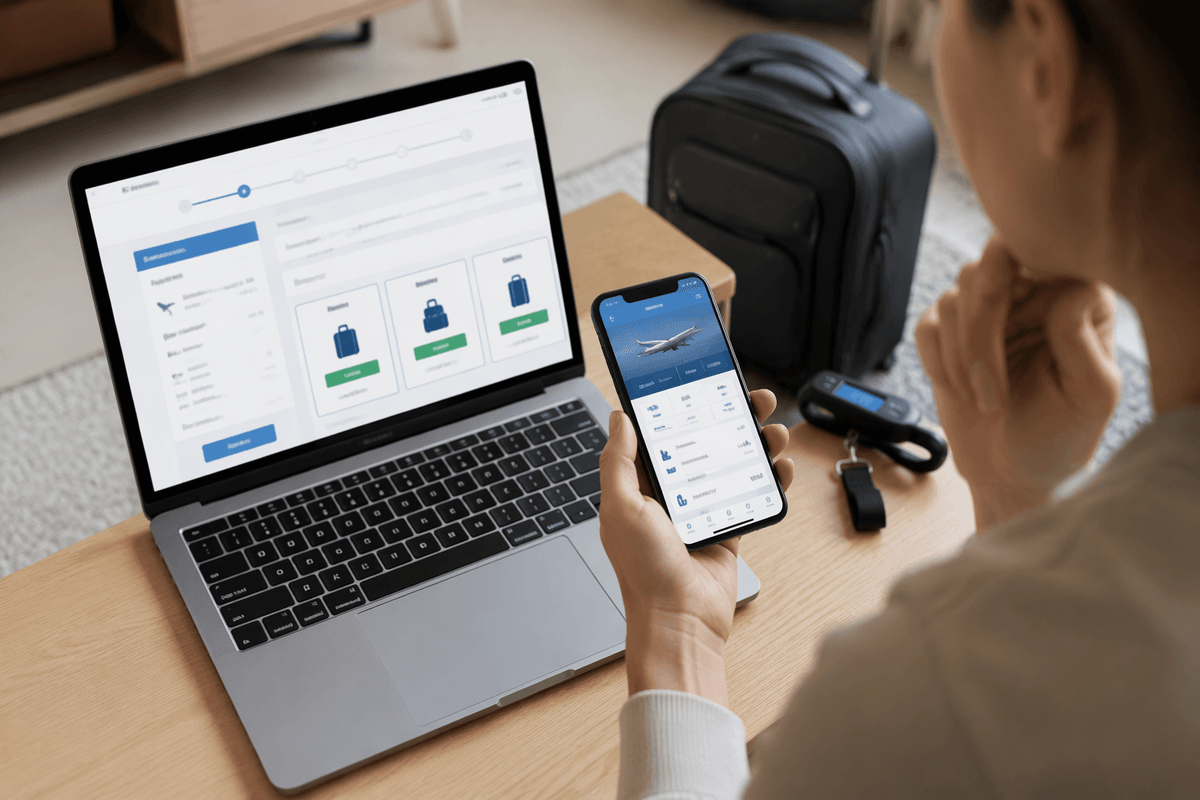
On the payment screen at 12:31 a.m., the “€19” had quietly become €41, and the only thing I’d touched was a dropdown that said “personal item.” The OTA had slid in a service fee line I nearly missed, while Wizz Air’s own add-ons were sitting behind a separate “manage booking” promise. That’s the moment I stop scrolling and start reading like I’m debugging, because the cheapest fare is where the weirdest fees hide.
I look for three fee types before I enter card details: (1) channel fees (OTA service, “ticketing,” or payment method surcharges), (2) airport-risk fees (anything that implies you’ll pay more if you can’t check in online), and (3) duplication traps. Duplication is the sneakiest trade-off: an OTA will sell “cabin bag” or “flex” in its own language, then Wizz Air will offer similar upgrades in-app later, and it’s easy to buy both out of fatigue. If the wording doesn’t match Wizz Air’s categories, I assume it won’t sync cleanly.
If you’re booking a 3–5 day trip a week out, you’ll probably add something later—bag, seat, maybe priority to protect a tight boarding flow—and late add-ons tend to cost more than deciding upfront. For travelers who truly pack under the seat and don’t care where they sit, skipping everything can work; anyone else should treat the fee list as part of the itinerary, not an optional extra.
When I’d book direct vs OTA
At 12:44 a.m., I had the confirmation email in one hand and the Wizz Air app in the other, waiting for the booking to show up like it was a bank transfer. It did—eventually—but the lag was long enough that I could feel how annoying it would be if I needed to change anything before bed. The €9 difference suddenly looked smaller than the cost of waking up to a typo I couldn’t fix cleanly.
I’ll book an OTA when the trip is “personal item only,” two travelers max, no seat preferences, and a low emotional attachment to the exact flight time—basically, when the downside is capped. It works best for quick 3–5 day breaks where you’re treating the fare like a bus ticket and you’re confident you can complete online check-in inside the Wizz window without help. If the OTA’s baggage language doesn’t mirror Wizz Air’s, you’re accepting some ambiguity to save €10–€30.
I book direct when there’s any realistic chance I’ll touch the booking after purchase: adding a cabin bag, linking passengers, fixing a name detail, or choosing seats to avoid a stressful boarding flow. It’s also my default for tight itineraries—early departures, same-day connections, or landing late—because disruptions are where “cheapest channel” stops mattering and “one place to solve it” starts. If the OTA price wins big, I’ll still take it, but only after I’m sure I can manage the reservation in the Wizz Air app and I won’t be paying twice for the same upgrade.
![How to Become an Investor [Exactly What It Takes]](static/image/2026/07/14/2a4c5f88-5ccc-423a-b75c-d6c25c492ab7.png)