The daily green tea expectation versus real-life effects
The first few mornings with green tea can feel oddly quiet. You’re waiting for the obvious “kick” you’d get from coffee or soda, but what shows up instead may be a softer lift—until it doesn’t. Some days it feels steady and clean; other days the same mug lands as a faint buzz, or a slightly wired edge that’s hard to explain.
A lot of that comes down to how variable “a cup” really is. Brew time, leaf amount, and whether you refill the same bag can change caffeine more than people expect. And green tea’s natural compounds (like catechins and L-theanine) can make the alertness feel smoother, which is easy to mistake for “it’s not doing anything,” especially if you’re switching from a higher-caffeine habit.
When the cup slides later into the afternoon, sleep may not feel ruined—just delayed. If the pattern continues, that subtle bedtime drift can become the real effect you notice most.
Caffeine and calm focus can arrive together
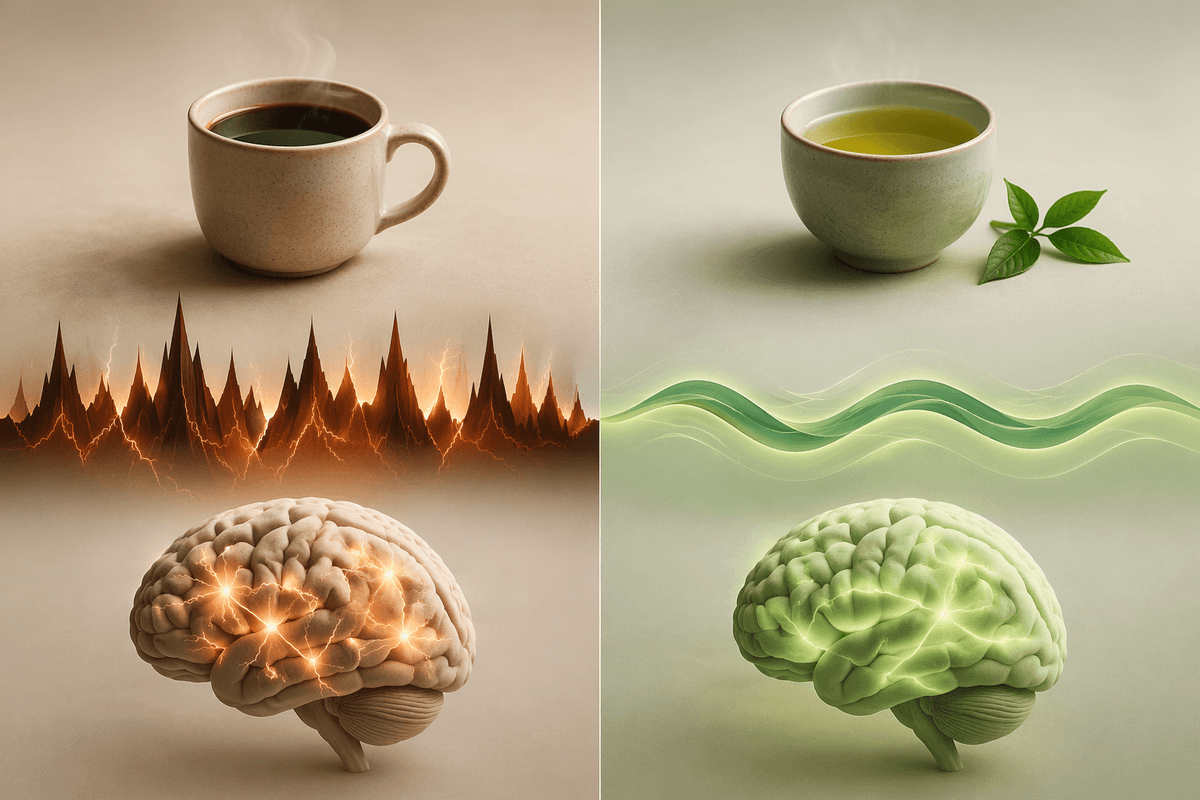
It can show up halfway through an inbox: you realize you’ve been moving through tasks without the usual urge to stand up, snack, or hunt for another drink. The energy doesn’t always feel “higher,” but the mental noise may feel lower. That’s the strange part for a lot of people—green tea can feel like both caffeine and calm at the same time.
Part of that comes from the mix. Green tea still brings caffeine, but it also contains L-theanine, an amino acid that may soften the edgy, jumpy feeling some people get from coffee. In practical terms, the same amount of work can feel more doable, even if you don’t feel a dramatic rush. But it isn’t consistent: a stronger brew, a second cup, or drinking it fast can tilt the experience back toward jitters—especially if you’re already stressed or under-slept.
And the “calm focus” can create its own misunderstanding. Because it feels smooth, it’s easy to push the timing later, then wonder why your brain stays quietly alert at bedtime.
Digestion and nausea are the surprise downside
It’s often the first sip on an empty stomach that gives it away: a light rolling feeling that wasn’t there five minutes ago. You may not call it nausea at first—more like your stomach is suddenly “aware” of itself. Then you eat, and it settles, which can make the whole thing feel random.
But green tea can be a little sharp on digestion, especially when it’s strong or taken fast. The catechins and other tannin-like compounds can irritate a sensitive stomach lining, and caffeine can nudge acid production and gut movement. For some people, that combination shows up as queasiness, reflux, or a slightly urgent bathroom trip that doesn’t match the rest of their routine.
The same tea that feels fine after breakfast can feel rough before it. If the pattern continues, it’s usually the timing and strength—not the “idea of green tea”—that ends up creating the friction.
Hydration feels easier, yet it’s not simple water
Midafternoon, you might notice you’re reaching for your bottle less—because the tea already felt like “drinking something.” The mug counts in your head as hydration, and in many day-to-day situations that’s partly true. But it can also create a small mismatch: you feel more “topped off,” while your mouth still runs a bit dry or you realize you haven’t actually had plain water in hours.
Green tea is mostly water, yet it doesn’t behave like simple water in your routine. Caffeine can act mildly diuretic for some people, especially when you’re new to it or the brew is strong, and the warmth can make it easy to sip more quickly than you realize. Add in tannins that can leave a slight drying sensation, and the body signal gets confusing: you’re drinking, but you don’t always feel as hydrated as you expect.
That’s why the “hydration boost” can feel inconsistent—fine on a low-stress day, less convincing when you’re sweating, flying, or rushing meals. Sometimes the clue isn’t thirst at all, but a creeping headache or heavier fatigue that shows up later.
Antioxidant routines change slowly, not dramatically
A week or two in, it’s common to catch yourself looking for proof. Your skin looks the same in the mirror, your joints don’t feel “younger,” and nothing about your day screams “antioxidants are working.” That can make the whole habit feel like it’s only about caffeine—especially if you were half-expecting a visible upgrade.
Green tea’s catechins are the part people usually mean when they talk about antioxidants, but in real life they tend to matter more as a slow, repetitive input than a noticeable effect. They’re also a bit finicky. How long you steep, whether you drink it with food, and how often you repeat the routine can change how much of those compounds you actually take in and tolerate. If your stomach has been touchy, you may even unconsciously shorten steeps or skip cups, which makes the “routine” less consistent than it feels.
So the shift, when it happens, is often indirect: green tea becomes a default pause that replaces a sweeter drink, or it nudges you into a steadier afternoon rhythm. The antioxidant story may be real, but it usually rides quietly on top of those everyday trade-offs.
Heart, metabolism, and appetite shifts feel inconsistent
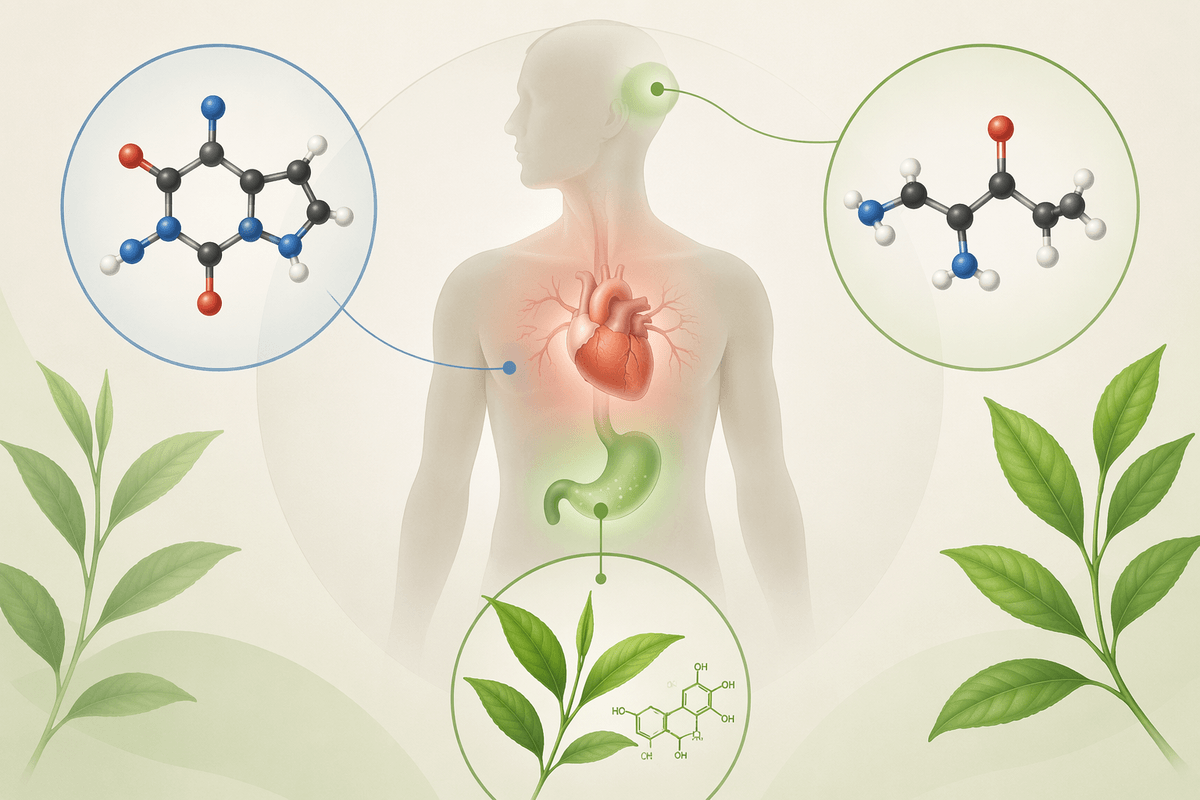
It may hit during a meeting: you realize your heart feels a little more “present,” not pounding, just noticeable—then you check the clock and remember you brewed that second cup stronger than usual. On other days, the same tea barely registers, except that lunchtime arrives and you’re simply less interested in eating. That mix can feel confusing, because it’s easy to expect one reliable outcome: steadier metabolism, cleaner appetite, calmer body.
In practice, green tea can pull in a few directions at once. Caffeine can nudge heart rate and make stress feel louder if you’re already running on short sleep, while L-theanine may soften the sharp edge enough that you keep sipping. Catechins also show up in appetite signals for some people, but often indirectly—tea replaces a snack, or it blunts that “I need something” feeling without actually fueling you.
The limitation is how many variables stack: brew strength, whether you drank it fast, and whether you ate. If the pattern continues, the clearest clue is usually consistency—your body tends to react less to the “idea” of green tea and more to the exact version you end up drinking that day.
Medication, iron, and teeth: hidden trade-offs
It can be as small as a strange aftertaste when you brush at night, or a pale stain you swear wasn’t there last month. Green tea doesn’t always “feel” harsh, but the tannins that give it that dry finish can cling to tooth surfaces, especially if it’s sipped slowly all day. If you add lemon or drink it instead of water, the mouth can stay a little more acidic or dry than you realize, which is when sensitivity tends to feel more noticeable.
Then there’s the part people don’t connect until later: the tired week that doesn’t match your sleep. Tea’s compounds can bind with iron in the gut, so if your iron intake is already marginal, having strong tea with or right after meals can make you feel run-down over time without any obvious “tea reaction.” A similar timing issue can show up with some medications or supplements—absorption can be touchy, and a habit that seems harmless can quietly become inconsistent just based on when you drink it.
Nothing happens at once; it’s the repetition—same mug, same timing—that can turn green tea from a helpful ritual into a small source of friction.







![How to Become an Investor [Exactly What It Takes]](static/image/2026/07/14/2a4c5f88-5ccc-423a-b75c-d6c25c492ab7.png)