The real question isn’t “Is Estonia safe?”
I hovered over the map of Tallinn with my finger stuck between two pins—one in the Old Town and one in Kalamaja—while a 12:10 a.m. tram time blinked on my phone. The distance looked trivial until I pictured it in wind, in the dark, with my “just one more drink” optimism fading. That’s the moment the question shifts from “safe country” to “safe minutes and meters.”
Estonia’s reputation problem isn’t usually crime; it’s context. If you’re coming from Copenhagen or Helsinki, Tallinn can feel a half-step rougher around the edges in the way streets empty out late and how quickly you move from lit tourist lanes to quieter residential blocks. If you’re coming from bigger cities, it can feel refreshingly low-drama. The useful question is: where does your day end—at 9 p.m. after museums, or at 1 a.m. after bars—and how much do you want to rely on navigation and confidence versus a predictable route?
For a solo woman, “safe” often means boring logistics: clean sightlines, steady foot traffic, and a low-friction ride home when you’re tired. Tallinn mostly delivers that, but it’s not magic—dark parks, empty underpasses, and the occasional overfriendly stranger can turn a short walk into a mental negotiation. If you plan your base so your late-night return is simple, you’ll worry less about Estonia and more about what pastry you’re getting tomorrow.
Start with the risks visitors actually face
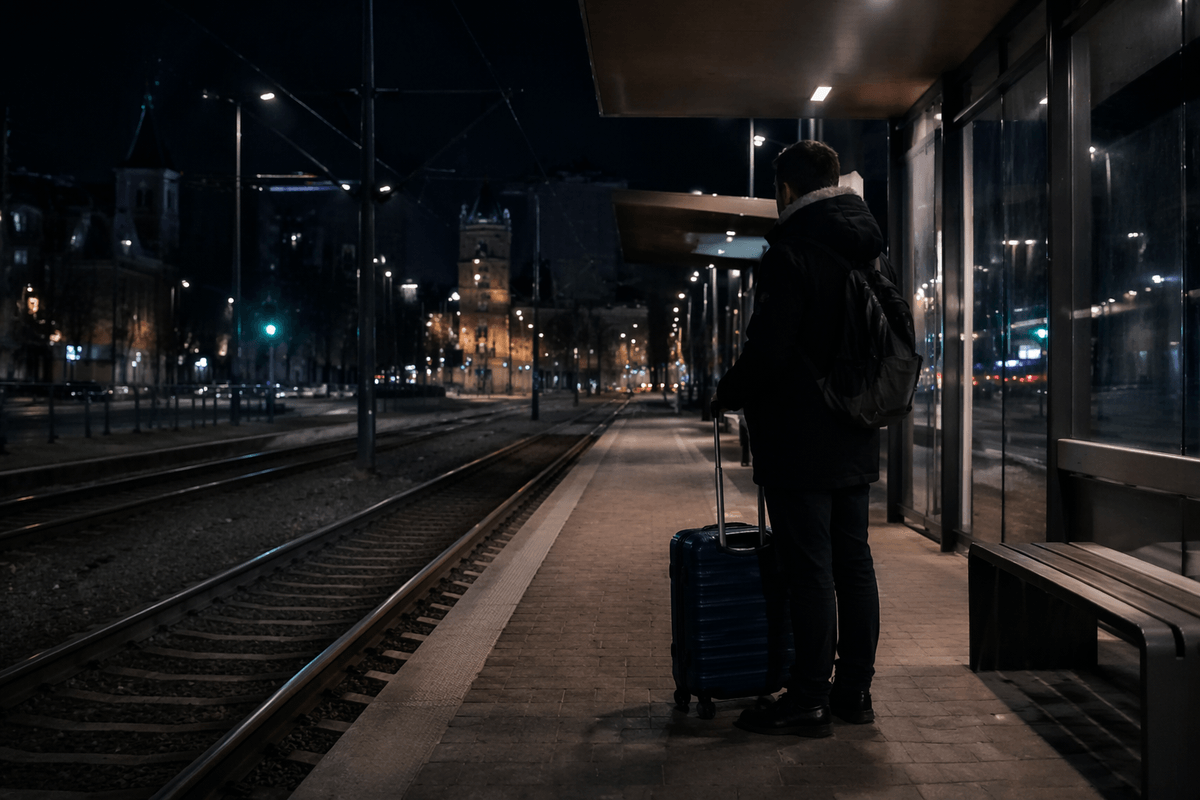
At 11:47 p.m., outside Viru Keskus, I watched two groups split: one into the bright Old Town funnel, the other toward a darker stretch where the sidewalk thinned and the chatter dropped. Nothing “happened,” which is the point—most risk here feels like a slow dial, not a sudden alarm. The same ten-minute walk can read as easy at 8 p.m. and mildly annoying at midnight, especially if it’s windy and you’re checking your phone too often.
For visitors, the realistic problems are boring: pickpocket-style petty theft in crowded lanes (think Old Town weekend evenings, not daytime cafés), the occasional bar tab weirdness in touristy spots, and opportunistic overfriendliness that turns into “come to my club” pressure. Compared with many big European capitals, Tallinn is lower-drama; compared with Helsinki, it’s a touch less cushioned—fewer people out late means less passive security. If you’re carrying a small crossbody and a normal level of skepticism, you’re already ahead.
Transit risk is mostly about timing and confidence, not violence: late trams thin out, stops can feel empty, and shortcuts through parks or underpasses aren’t worth the saved minutes when you’re tired. The public transport is cheap and fine early, but a short Bolt ride home after night life often buys you more comfort than another round. If you’re a “walk everywhere” traveler, stick to lit main streets; if you like lingering, plan your last-mile first.
Choose the safest base for your trip
I hesitated over two nearly identical listings: one just inside the Old Town walls and one a 9-minute walk away near Balti Jaam, both “quiet,” both “central,” both proudly showing a keypad entry. The photos didn’t show what mattered at 12:30 a.m.—whether the route back had lit shopfronts or a dark, blank stretch where you’d be alone with your own footsteps. Price was the nudge: the cheaper place bought me a longer walk when I’d be most tired.
If personal safety at night is the priority, the safest “base” is usually the one that keeps your last 600 meters boring. Old Town and the edge of the city center (around Viru and the main boulevards) work well for first-timers because there’s more foot traffic later and fewer route surprises, even if you’re paying a little extra for charm and convenience. Kalamaja can feel safer in a different way—more local, more lived-in—but it’s patchier after hours: one block is lively, the next is dim and empty, and that’s when you start second-guessing shortcuts.
Where it gets tricky is choosing “quiet” over “connected.” A calm apartment deep on a residential street is great at 7 a.m.; at midnight, it can mean a longer, lonelier approach from the stop. If you’re planning 5–7 days with day trips and loose evenings, optimize for a simple ride home: stay within an easy Bolt pickup zone, near a bright transit hub, and close enough that you can bail early without turning it into a trek.
Move around safely, even late
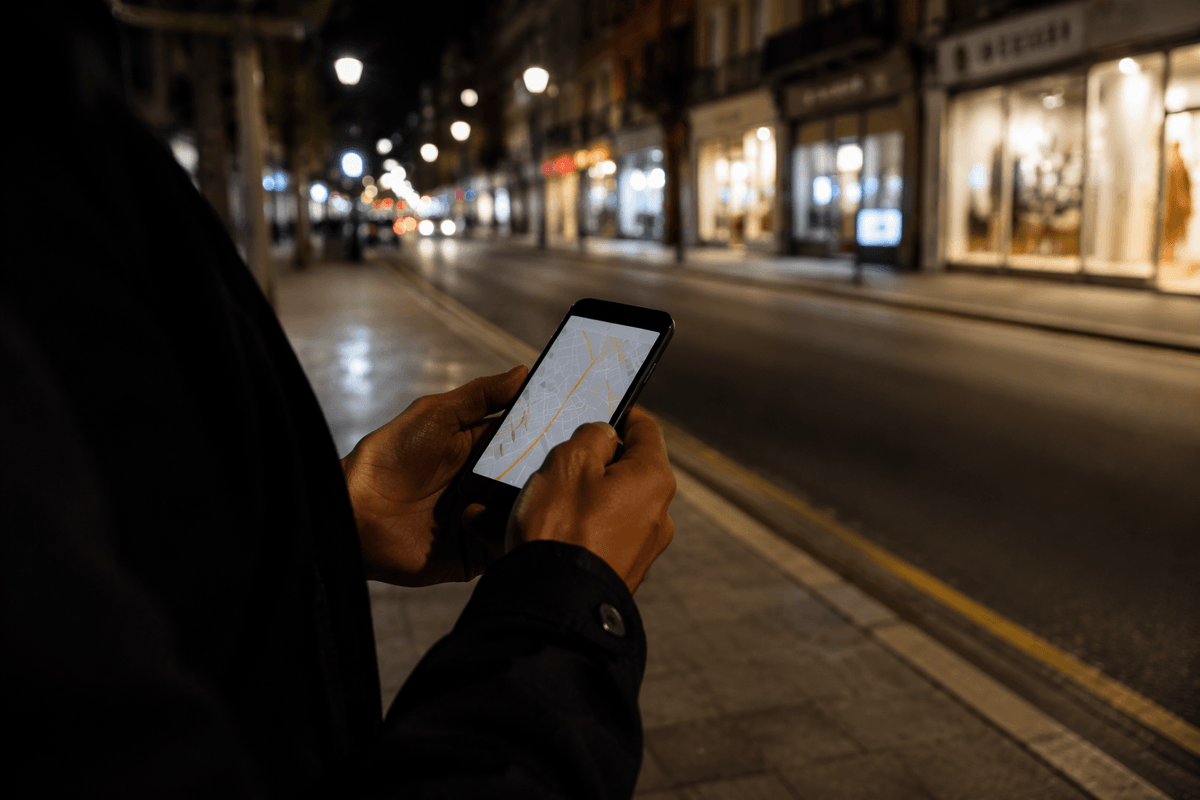
At 12:32 a.m., I stood on the wrong side of a wide intersection near Hobujaama, watching the pedestrian light cycle twice while my fingers went numb inside thin gloves. The tram platform looked safe enough, but it was exposed and oddly quiet for the center. That’s when “public transport is great” turned into “public transport is great when it’s frequent.”
In Tallinn, your safest late-night move is usually the one with the fewest uncertain minutes: a straight, lit walk on main streets beats a “faster” shortcut through a park or underpass when you’re tired and phone-lit. Trams and buses are perfectly fine earlier in the evening; later, the trade-off is wait time versus control—standing alone at a stop can feel more vulnerable than being inside a car for six minutes. If you’re staying near Old Town/center, you can often walk home with enough other people around on weekends; if you’re based deeper in Kalamaja or further out, I’d budget for a Bolt ride after night life rather than trying to time the last tram perfectly.
The small frictions matter more than headline crime: keep your map checks brief, don’t advertise your route confusion, and avoid chatting with anyone who wants to “guide” you somewhere vague after midnight. I also like a simple rule: if the street goes dark and the storefronts disappear, turn back to the brighter artery even if it costs you five extra minutes. It’s not about paranoia—just choosing the version of Tallinn that stays boring.
Use Estonia’s digital systems without worry
I almost booked a “museum ticket” from a random ad because it looked more polished than the official page, right down to the little Estonian flag in the corner. The price difference was only a few euros, which is exactly why it felt believable. I backed out when the payment screen tried to nudge me into a sketchy transfer method instead of a normal card checkout.
Estonia’s digital life is genuinely convenient for visitors—tap-to-pay everywhere, QR tickets, ride-hailing, and fast mobile data—but the same rule applies as in London or Berlin: keep your transactions boring. Use official apps/sites for transit and attractions, pay by card/Apple Pay/Google Pay when you can, and treat “helpful” links from flyers or strangers like you’d treat an unsolicited club invite. Public Wi‑Fi is fine for maps; for banking, switch to your SIM data (the trade-off is a few MB for less stress).
On the ground, digital confidence reduces late-night risk: ordering a Bolt from a well-lit entrance beats waiting for a thinning tram and second-guessing stops. Check the plate and driver in-app before getting in, and don’t share your ride details aloud if you’re standing near a crowd. If you like spontaneity, Estonia rewards it—just keep your payments, logins, and pickups inside the “official” lanes.
My safest Estonia plan for first-timers
At 12:18 a.m., I stood under the bright Viru Keskus signage with 8% battery, deciding whether to wait for a tram that wasn’t due for a while or just call a Bolt and be done with it. The distance back to my place looked small on the map, but the wind made it feel like a different city. That tiny timing squeeze—cold, low phone, thinning crowds—is where a “safe” plan earns its keep.
For a 5–7 day first trip, I’d base yourself Old Town-adjacent or in the city center near the main boulevards (close enough that your last walk is lit and busy on weekends), even if the room is a little less cute than a cheaper, quieter street. Do Tallinn in the daytime on foot (Old Town, Kadriorg, Telliskivi), then treat nights like a choice: if you’re back by 10–11 p.m., transit and walking are easy; if you’re out later, budget for a short ride home instead of gambling on a long wait at an empty stop.
Day trips stay low-drama if you keep your return simple: leave a bit earlier than you “need” to so you’re not sprinting for the last connection, and avoid arriving back to Tallinn at the exact hour you’ll be tired and hungry. The money trade-off is small—one or two extra Bolt rides versus a cheaper base with lonelier last 600 meters. If you’re hesitating, this is the calmer test: book the central base, plan one late night with an easy ride home, and see how it feels before you push farther.






![How to Become an Investor [Exactly What It Takes]](static/image/2026/07/14/2a4c5f88-5ccc-423a-b75c-d6c25c492ab7.png)