The real choice: one island or island-hop
At 7:10 a.m. in a breezy port with a paper ticket softening in my hand, the schedule on my phone didn’t match the handwritten board by the kiosk. I stood there doing the solo-traveler math: do I risk a connection and lose half a beach day, or stay put and actually feel the place? Even in September, one delayed sailing can turn “quick hop” into a long, sweaty wait with nowhere to stash your bag.
The real choice isn’t which Ionian island is “best,” it’s whether you want your eight days to feel like a stay or a relay. One island works if you’re chasing safe swims, unhurried meals, and evenings where you can walk back after dinner without the post-sunset isolation of a quiet village. Island-hopping can be worth it if you’re the type who gets restless in one base—but it costs you time in transit, and the trade-off is usually either higher taxi spend or more planning around limited bus frequencies.
A simple rule I kept coming back to: hop only when you’re swapping a constraint for a reward. If you hate the idea of renting a car, hopping to a more walkable, bus-friendly base can feel like freedom; if you already know you’ll rent, staying on one island often buys you calmer days and fewer “should I book this now?” moments. When in doubt, pick one main base and treat a second island like a bonus, not a requirement.
Pick your Ionian base by vibe
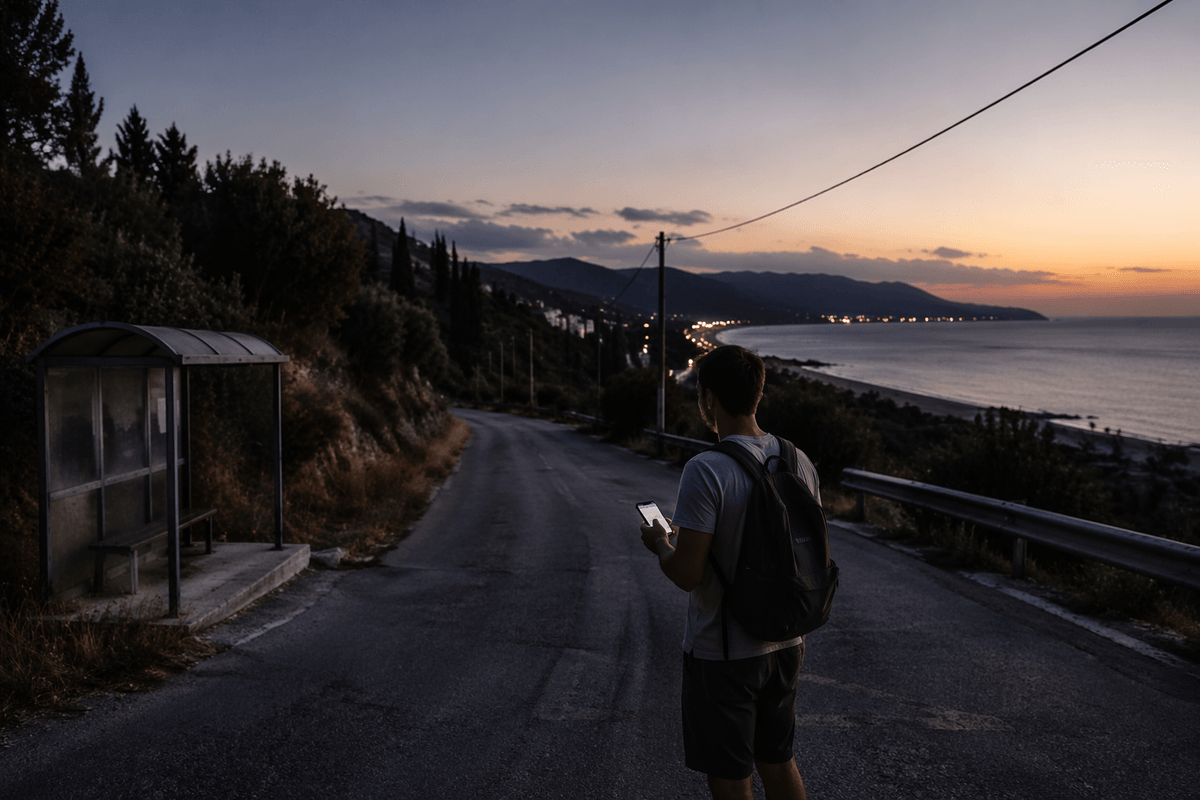
I zoomed the map on my phone until the beaches looked practically next door, then realized the “20 minutes” was a straight line over hills with no sidewalk. At 6:45 p.m., waiting for a bus that was either late or just… not coming, I felt that familiar solo pinch: daylight is your buffer, and once it slips, a quiet road can feel longer than it is. That’s when “vibe” stopped being aesthetic and started being logistics.
If you want easy solo evenings—wander, eat, walk home without strategizing—Corfu Town and Argostoli (Kefalonia) behave more like small cities: more streetlight, more people out, more backup options if you miss a bus. The trade-off is crowds and pricier dinners near the core, but it works for light planners who don’t want to rent a car on day two out of frustration. Zakynthos Town can be practical for transport, yet some of the island’s biggest beach wins are a car-or-tour commitment, which can feel limiting if you’re chasing spontaneous swims.
For a softer, calmer base, look at places like Fiskardo (Kefalonia) or Gaios on Paxos—gorgeous for slow dinners and harbor swims, less great if you hate paying for taxis after dark. Lefkada is the wild card: the best beaches feel “close” until wind and distance stack up, so it suits you if you’re fine renting a car for 2–3 days and giving yourself permission to do nothing on the in-between days.
Lock in ferry and bus logistics
I hit “purchase” on a ferry app at 11:58 p.m., watched the spinning wheel, and then got the email: different departure pier than the one I’d pinned, plus a “check-in required” note in tiny text. The price wasn’t the problem—it was the uncertainty. When you’re solo with one bag, the difference between a 9:30 a.m. sailing and a 9:30 “boarding closes” rule is the difference between a swim day and a port-side coffee you didn’t want.
For September island-hopping, treat ferries like flights: build slack. If you’re connecting island-to-island, aim for same-day only when the first leg is early and you’re okay losing the afternoon if something slips; otherwise, hop every 3–4 days and put travel in the morning so you’re not arriving at dusk, tired, and hunting for a taxi. The fewer hops can feel “less ambitious,” but it usually buys you calmer evenings and less money burned on last-minute rides.
Buses are the other reality check. They’re great for town-to-town and popular beaches, less great for “one more cove” energy, and schedules can thin outside peak hours even in September. If your must-haves are safe swims plus local food without car stress, pick a base where you can walk to dinner and use buses by day; rent a car only for 2–3 targeted beach days, when the taxi math starts to sting.
Choose stays that feel safe solo
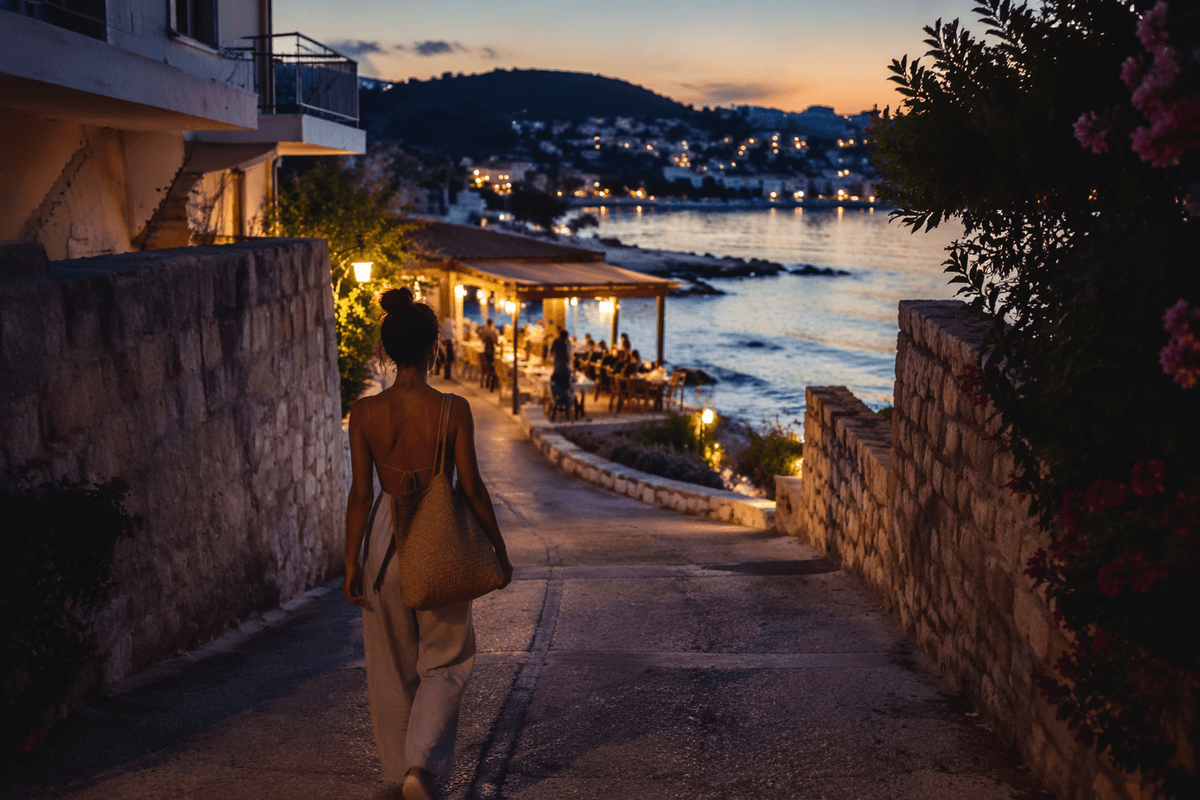
At 9:40 p.m., I stood outside a “five-minute walk” studio in a side lane and watched the street empty between one café closing and the next bar opening. The place itself was lovely—white curtains, a little balcony—but the keybox was on a dark gate and my phone had 12% battery. That’s the solo equation you’re really booking: not just price per night, but how you’ll feel arriving tired, slightly lost, and very aware of time.
If you’re improvising most days, prioritize a base where the last 300 meters home are boring: lit streets, a few open businesses, and a reception desk you can actually find. A harbor-front or town-center stay costs more than a hillside “view” room, yet it buys you the ability to do dinner late, linger for dessert, and still walk back without a taxi negotiation. Quiet villages can be perfect for early sleepers and sunrise swims, but they punish you if you miss the final bus or the wind picks up and you don’t want to scooter home.
For mid-range budgets, I’d trade “best balcony” for three practical filters: walkability after dark, easy access to a main bus stop/port, and a swim you can reach without committing to a car. Apartments work when check-in is flexible and the route is straightforward; otherwise, a small hotel near the action is often the calmer choice. If you’re torn, book your first two nights in the most navigable town, then decide whether you’re craving quieter—or just better sleep.
Build days around easy solo wins
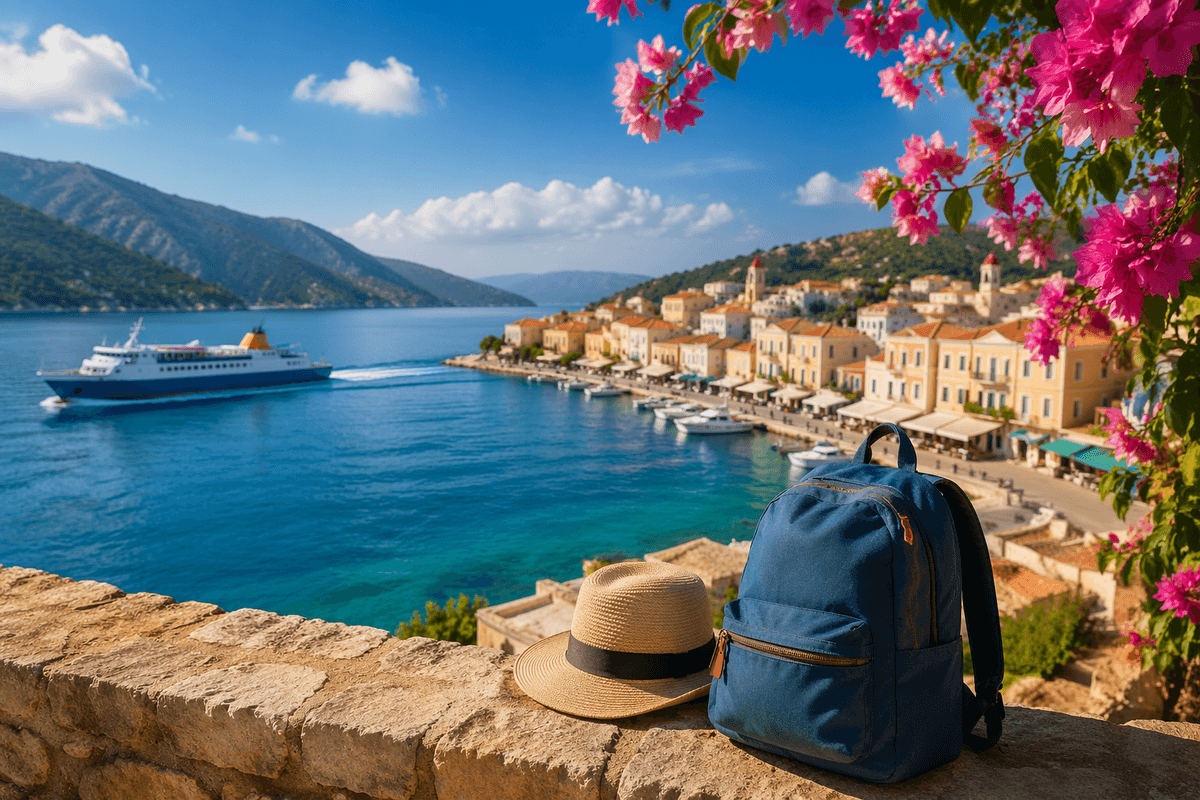
At 8:25 a.m., I stood in flip-flops at the edge of the harbor, watching a tour boat load up while a local swam slow laps inside the breakwater. My “big beach” plan looked heroic on the map, but the wind had already picked up and the bus timetable photo in my camera roll didn’t match what the stop sign said. In that moment, the solo win wasn’t a famous cove—it was choosing the option that wouldn’t turn into a late-afternoon scramble.
Build your days like a ladder: one sure thing, one stretch, one easy exit. A “sure thing” is a swim you can reach without a negotiation—town beach, harbor steps, or a cove with a predictable bus—so even if you sleep in, you still get salt water. The stretch is where you spend effort: a farther beach, a boat day, or the rental-car day. The easy exit is what keeps you from feeling isolated after dark: dinner within a lit 10–15 minute walk, or a taxi ride short enough that the price won’t annoy you all evening.
September is forgiving until it isn’t: shorter daylight, occasional breezy days, and fatigue that hits harder when you’re doing all the navigating. If you don’t want a car, cluster your “stretch” days around tours and bus-friendly beaches; if you do rent, keep it to 48–72 hours and front-load the far coasts. When your afternoon energy dips, choosing the boring swim close to home can be the move that saves the whole night.
What I’d do with five days
At 6:55 a.m., I’d be dragging my carry-on toward the bus stop with a takeaway freddo in hand, because five days punishes late starts in a way eight days doesn’t. I’ve tried squeezing in “just one more” beach or hop, and it’s the kind of ambition that turns into a 3 p.m. arrival and a tired, slightly on-edge walk to check-in. The goal here is to land early, swim early, and never rely on a last bus after dusk.
If you want the smoothest solo rhythm, I’d do five days on one island with a town base: Argostoli (Kefalonia) if you want a lived-in evening scene and easy food choices, or Corfu Town if you want maximum walkability and backup options. Day 1: arrive, harbor swim, dinner within a lit 10–15 minute walk. Day 2: bus-friendly beach day (no heroics), with a “boring” swim close to home as your exit plan if wind picks up. Day 3: rent a car for 48 hours (not the whole trip) and hit two farther beaches early, returning before the post-beach fatigue makes driving feel like work.
If you’re craving a second island, I’d treat it like a reward: three nights in Argostoli, then an early ferry to Paxos for two nights in Gaios—pretty, compact, and easy to do without a car, but less forgiving if you hate taxis at night. I’d only do that hop if you’re willing to lose an afternoon to ferry timing; otherwise, stay put and spend the “saved” hours on longer lunches and repeat swims.

![How to Become an Investor [Exactly What It Takes]](static/image/2026/07/14/2a4c5f88-5ccc-423a-b75c-d6c25c492ab7.png)