The appeal of kiwi skins and the hesitation
You’re halfway through a kiwi, spoon in hand, and you notice the skin looks… almost reasonable. It’s thin, it’s right there, and peeling feels like extra work for a fruit that’s supposed to be a quick snack. Then the hesitation hits: that fuzzy texture, the idea of “whatever was on it,” and the small worry that your mouth might feel scratchy afterward.
The skin is part of the fruit’s volume, so keeping it on can mean you’re eating more of the kiwi’s fiber and plant compounds without changing what you bought or how long it takes to eat. But the trade-off shows up immediately in how it feels, not in a nutrition label—because the first thing you notice isn’t fiber, it’s fuzz.
And that’s why the decision can feel oddly personal. If you’re already eating kiwis regularly, the skin might seem like an easy “upgrade.” If you’re on the fence, one rough bite or a lingering mouth tingle can be enough to make you peel it every time, even if you like the idea of getting a little more out of the fruit.
What you actually gain by keeping the skin on
The difference usually shows up in the parts you don’t taste as “sweet.” When you bite through the skin, it can feel like the kiwi has more structure—less like a soft gel and more like something that holds together. That’s partly because the peel is where a lot of the tougher, more fibrous material sits, and it changes how quickly the fruit breaks down in your mouth.
Nutritionally, that extra “structure” often translates into a bit more fiber per kiwi, plus a higher concentration of certain plant compounds near the surface. It’s not a dramatic transformation, but it can matter in the slow, boring way nutrition usually matters: small additions that add up only if you actually keep eating the fruit. The catch is that the same peel that nudges fiber upward can also be the part your mouth notices first—especially if the kiwi is firmer or the fuzz feels prickly.
So the real gain is less about a single snack feeling healthier, and more about whether the skin makes kiwis easier for you to eat often—or quietly makes you avoid them.
Texture and mouthfeel: why it feels so divisive
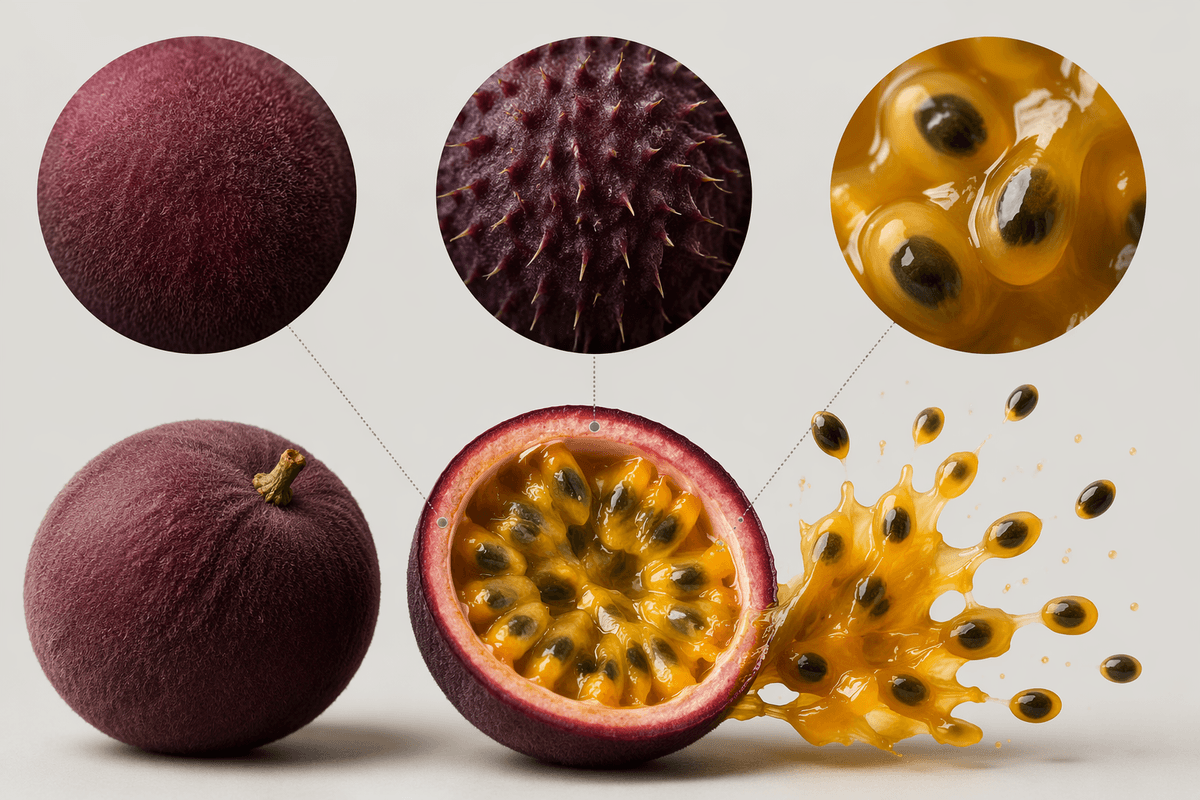
The first surprise is that the fuzz doesn’t always behave the same way. One kiwi can feel almost velvety, and the next can land more like a peach that’s slightly too hairy—especially if you bite straight in instead of slicing it thin. That inconsistency is part of why people swear it’s “no big deal,” while others can’t get past the first mouthful.
What you’re reacting to isn’t just taste. The peel adds a fine, dry drag against the tongue and cheeks, while the inside stays slick and seedy. That contrast can make the fruit feel more “busy” to chew: soft pulp, popping seeds, then a faint bristly layer that lingers after you swallow. If the kiwi is less ripe, the skin tends to feel tougher, and the fuzz can read as sharper rather than just textured.
And because mouthfeel is so immediate, it can override the nutrition math. Even a small scratchy feeling can make you eat faster, take smaller bites, or decide it’s not worth repeating—turning an “upgrade” into a fruit you stop reaching for.
When a reasonable choice causes unexpected irritation
It often starts as a small surprise: you finish the kiwi and realize your tongue feels a little “hot,” or the corners of your mouth feel rubbed raw, even though the fruit tasted fine. People sometimes assume that means the skin was dirty or “too harsh,” but the irritation can show up even with a well-washed kiwi—especially if you took big bites and the peel had more drag than you expected.
Part of that is simple friction. The fuzz and tougher outer layer can act like a mild scrub against the lining of your mouth, and if your mouth is already dry (or you’re eating it quickly between errands), that scratchy feeling can stick around. Kiwi also has natural enzymes and acidity, which can make any tiny roughness feel louder—like a paper cut you didn’t notice until lemon juice hits it.
You may be fine most days, then one firmer, less-ripe kiwi leaves you feeling sensitized enough to swear off the skin for a week. The pattern isn’t always consistent, but noticing when it happens—right after the peel, or only after multiple bites—can make the reaction feel less mysterious.
Pesticides, waxy residue, and the trust question
You rinse the kiwi under the tap, rub it with your thumb, and there’s that moment of doubt when it still feels slightly tacky. It’s not always obvious whether you’re noticing natural skin texture, leftover fuzz, or a thin film that wasn’t there in your head. And once that suspicion shows up, it can make the whole “just eat it like an apple” idea feel less casual.
The tricky part is that the peel is the part that touches everything: hands, bins, conveyor belts, produce misters, and whatever was used in the field. Even when residues are within regulated limits, the sensation of “something on the outside” can be real enough to change how the bite lands—especially if you’re already sensitive to the skin’s drag. Some kiwis also have a slightly waxy or polished feel that can read as coating, even if what you’re feeling is just the peel’s natural surface plus moisture.
So the trust question often isn’t purely about safety—it’s about how much effort you’re willing to spend to feel comfortable. If washing fits your routine, the skin can feel like a reasonable extra. If it doesn’t, the lingering “film” feeling can quietly push you back to spoon-and-peel, even when you like the nutrition trade-off.
Digestive comfort: fiber benefits versus roughness
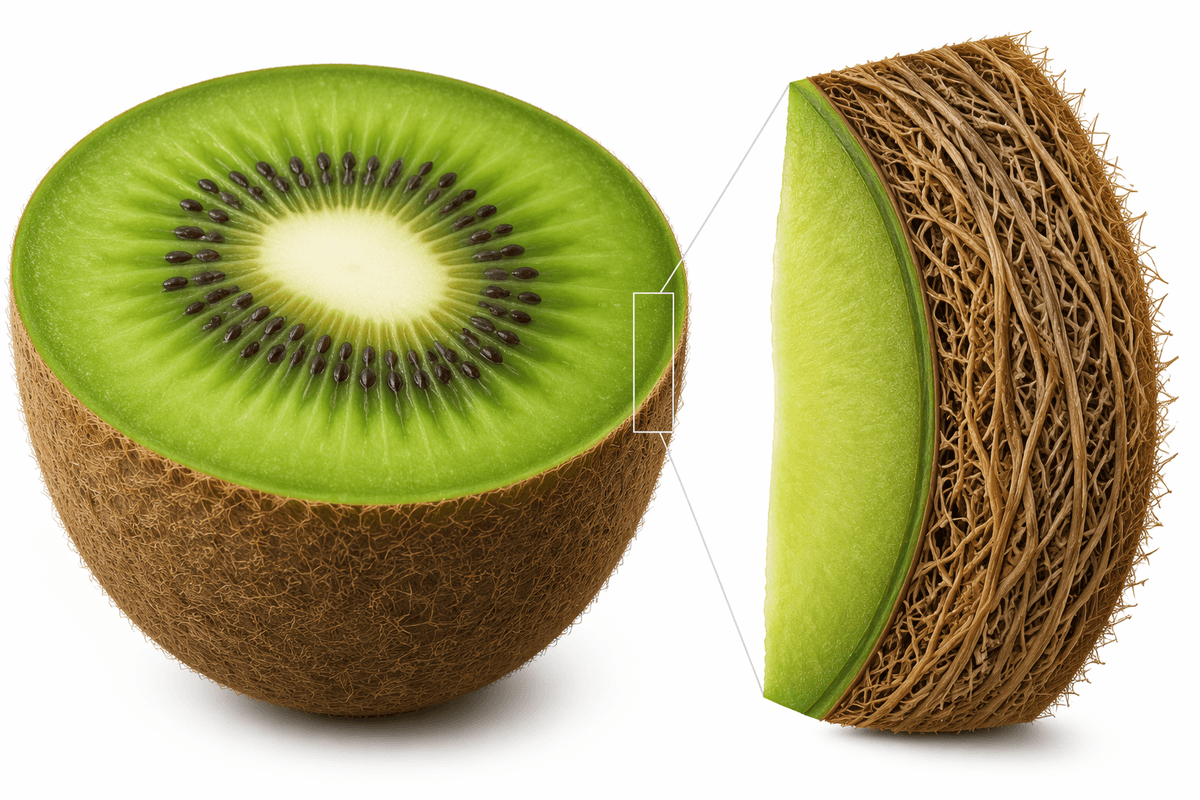
You might notice it later, not during the snack: a heavier “full” feeling, a little more gurgling, or the sense that the kiwi sat in your stomach longer than usual. It’s easy to blame the whole fruit, but the skin changes the texture of what you’re swallowing—more coarse material mixed into something that’s otherwise soft and quick to break down.
The peel is where a lot of that tougher fiber lives, and fiber can be great for keeping things moving and making the snack feel more substantial. The rougher fiber can also feel more “present” as it travels through your system, especially if you ate the kiwi quickly, on an emptier stomach, or alongside other high-fiber foods. In some situations, what feels like a nutrition upgrade can translate into mild bloating or a tight, scratchy-aftertaste that makes your gut feel slightly on edge.
That’s why comfort ends up being the real test. If the skin makes you eat kiwis less often—or makes you hesitate when your stomach already feels sensitive—the extra fiber doesn’t have much time to pay you back.
Making the choice feel clearer in everyday use
Sometimes the deciding moment isn’t the first bite—it’s when you’re standing at the counter with two kiwis that look similar, but one gives slightly under your fingers and the other feels firm and tight. The firmer one tends to make the peel feel louder: more tug, more fuzz, more of that “busy” chew. When it’s riper, the inside collapses faster and the skin can fade into the background, which is why people can feel like they “randomly” tolerate it one day and regret it the next.
In everyday use, the trade-off gets simpler if you watch for a few repeatable signals. If you regularly notice a scratchy tongue or a lingering tingle after eating the peel, that’s information—especially when it shows up with bigger bites or when your mouth is dry. If your hesitation is more about the outside feeling tacky or “handled,” the question often becomes whether washing and rubbing the surface fits the kind of snack you want kiwi to be. The extra fiber only matters if the skin doesn’t add enough friction—literal or mental—that you stop reaching for the fruit.
Over time, a lot of people land on a quiet split decision: skin-on when the kiwi is ripe and easy, peeled when it isn’t. That isn’t inconsistency so much as matching the method to the day you’re having—and to the mouth and stomach you’re bringing to the snack.