Jurgi Festival or just Palanga beach?
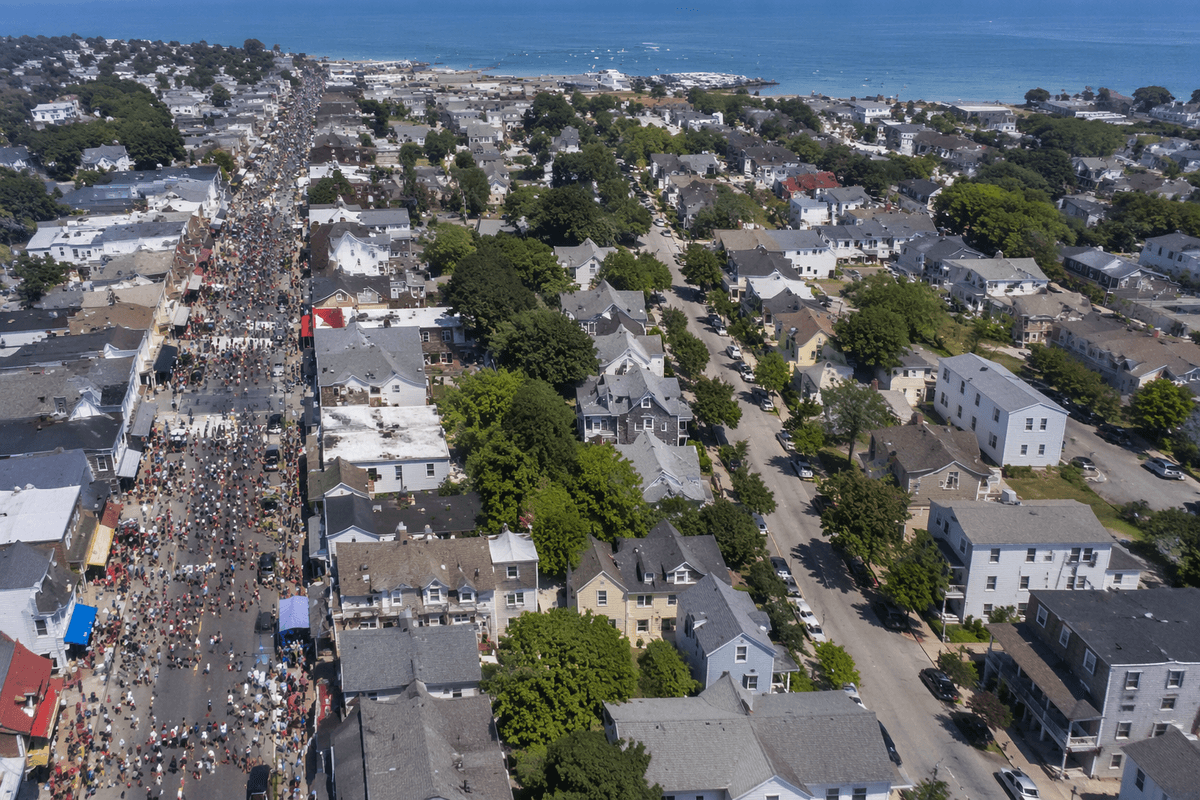
I paused on Basanavičiaus Street with sand still on my shoes, watching a poster that promised “Jurgi” while the sea wind tried to rip it off the pole. On the map, everything looked walkable—festival, church, market, beach—but in real life the crowd flow kept pushing us toward the same souvenir corridor. The concrete detail that settled it: the only line moving faster than the waffle kiosk was the one heading away from the center.
If you’re coming from Riga for 2–3 days, Jurgi is worth prioritizing only if you actually want the ritual pulse, not just “something happening.” Palanga beach is the safer bet for spontaneity: you can drift between dunes, coffee, and sunset without caring what time it is. Jurgi, by contrast, rewards punctuality—miss the key moments and you’ll still pay with time and walking, just to land in generic stage entertainment that could be anywhere on the Baltic.
The beach time is flexible but can blur together, especially on a warm weekend when the promenade turns into a slow-moving queue. Jurgi works best for couples who like a planned anchor point (one or two fixed events), then use the beach as the decompression zone. If you mainly want quiet shoreline and good food without timetable pressure, treat Jurgi as a short window—not the whole day.
Pick the right day and events
At 09:40 I was refreshing an event page on shaky promenade Wi‑Fi, trying to figure out whether we were “late” or just early for something that didn’t start where the map pin said it did. The frustrating detail: three different posters listed three different start times for what sounded like the same ritual. That’s when Jurgi stopped being a vibe and turned into a timing problem you solve once, then enjoy.
If you care about the meaningful bits, aim for a day with a morning anchor (church/ritual framing) and a midday craft-and-food block, then decide whether you still have the legs for an evening stage program. Morning moments are usually calmer—more locals, fewer “let’s grab a selfie” clusters—while late afternoon on Basanavičiaus can feel like one long funnel toward the same stalls. For a mid-budget Riga weekend, that trade-off matters: you’re paying with daylight and patience, not just euros.
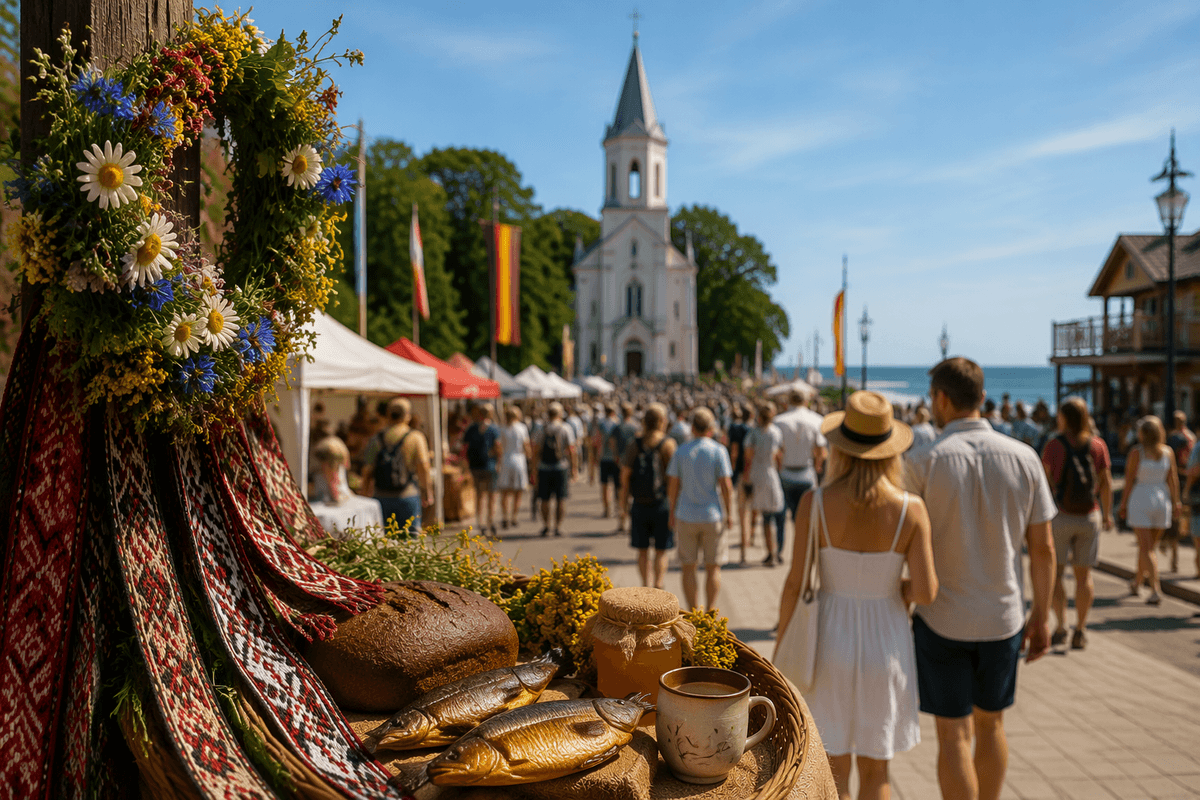
Event-wise, treat the fair/market as your reliable free win (watch what people actually line up for: smoked fish, honey, black bread, not the neon trinkets), and be picky with ticketed shows. If a concert is indoors or fenced, assume limited seats and buy ahead only if it’s a specific performer you’d regret missing; otherwise, keep it flexible and spend that money on a proper meal when the crowd peaks. What doesn’t work well: trying to “catch everything” between scattered spots—Palanga looks compact, but the detours add up fast.
Stay nearby or commute smart
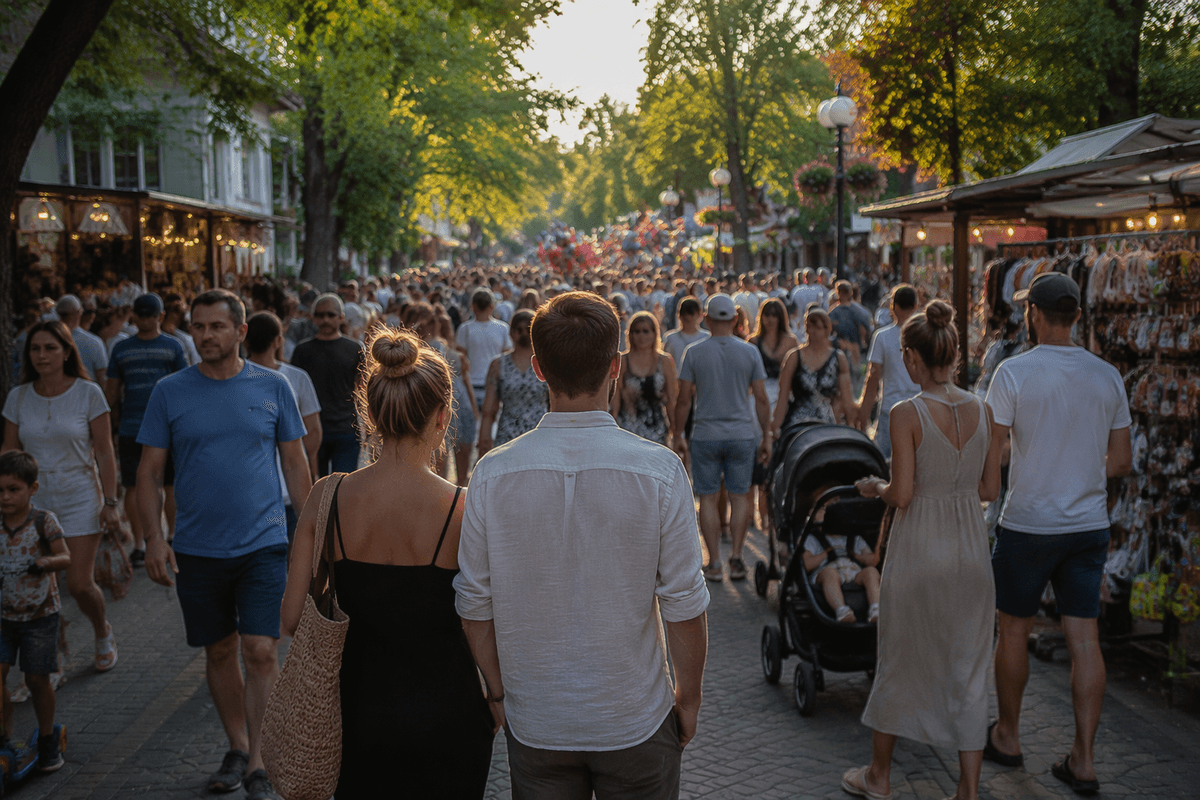
At 16:15 we stood by a bus stop sign that looked official, except the schedule was half peeled off and the wind kept slapping it back onto the glass. I’d assumed “Palanga is small” meant “no transport decisions,” but the crowd had turned the main strip into a slow conveyor belt. The concrete annoyance: a 12-minute walk on my phone became 25 once we were stuck behind strollers and souvenir bottlenecks.
If you’re here for Jurgi timing—one morning ritual, one midday fair block—staying within easy walking range of the center beats saving a little on a farther hotel. Basanavičiaus-adjacent rooms can feel like you’re sleeping inside a queue. A good compromise for a mid-budget couple is one or two streets back (still walkable, less “stage soundcheck at midnight”), so you can duck out for a reset and return without treating every re-entry like a mini-commute.
Commuting smart is mostly about avoiding the “just one more detour” trap. If you’re driving, assume parking near the action is either full or expensive at peak hours, and plan one park-and-leave-it move rather than circling. Bikes and e-scooters look faster than they are when foot traffic thickens; they work best early, before the fair heats up. When the weather flips—sea fog or sudden rain—having a nearby base stops Jurgi from turning into pure logistics.
What to eat, buy, and watch
At 12:20 we hovered at the edge of the fair, holding cash and trying to decide whether the smoky grill smell was a real local stall or just another “festival combo” with a laminated menu. The concrete giveaway was the queue: locals were standing for honey and rye bread, while the neon-cup kiosk stayed strangely empty. That small comparison saved us both money and time when the crowd flow started tightening.
Food-wise, treat Jurgi like a tasting route, not a sit-down hunt: share one hot item (smoked fish or a simple meat-and-bread plate) and one sweet, then pivot to a proper café once the promenade turns into shoulder-to-shoulder shuffling. It works well for couples who don’t mind eating in fragments; it’s frustrating if you need a calm table at peak hours. Keep water on you—wind plus salt air makes “just browsing” feel like a longer hike than it looks on the map.
What to buy: aim for things you’d actually use back in Riga—honey, herbal teas, linen, small ceramics—because they pack better and usually come from makers who can tell you where it’s from. Skip the bulky amber-look souvenirs unless you’re confident about authenticity and pricing. What to watch: prioritize anything that happens in a defined time window (ritual moments, folk ensembles), then let the generic stage music be optional; it’s the easiest to stumble into, and the hardest to feel you “missed.”
My best one-day Jurgi itinerary
At 08:55, with two coffees sweating through the lids, we hesitated at the edge of the church square because the bell schedule didn’t match what a flyer claimed. The concrete fix was simple: stop chasing “start times” and commit to one morning anchor, even if you arrive 10 minutes early and just stand there. That buffer feels wasteful on paper, but it’s cheaper than spending your best hour rerouting through crowds.
09:00–10:15: morning ritual framing (church/square), then a short reset walk—don’t slide straight into Basanavičiaus yet. 10:30–12:45: hit the fair/market while you still have walking speed and the queues are readable; this is your reliable free block. Split one savory (smoked fish or meat-with-bread) and one sweet, and buy “useful” souvenirs early (honey, tea, linen) so you’re not carrying fragile ceramics all afternoon. 13:00–14:30: escape to a calm café one or two streets back; the trade-off is missing some noise, but you regain patience for the meaningful bits.
15:00–16:30: choose one timed folk performance/ritual moment; treat generic stage music as optional filler, not a goal. If there’s a fenced, ticketed show, only commit if it’s a specific act you’d regret—otherwise keep your evening for a beach decompression walk and dinner. If you’re torn, pick the single event with the tightest time window and let everything else be bonus.




![How to Become an Investor [Exactly What It Takes]](static/image/2026/07/14/2a4c5f88-5ccc-423a-b75c-d6c25c492ab7.png)