You’re ready to launch, but numbers feel slippery
It’s late, the product page is almost done, and the supplier says “fast shipping” like it’s a promise. Then the spreadsheet opens and everything blurs. The $29.99 price looks fine until payment fees, a theme app trial, and one “where’s my order?” refund show up. You can feel the urge to launch anyway just to replace doubt with data, but the first week can burn more cash than it teaches if the math is loose.
Start by admitting the numbers are estimates and treating that as a constraint. Write down the few line items that actually move your outcome: landed product cost, shipping you’ll eat when something goes wrong, transaction fees, and an allowance for returns. If those don’t fit together on a single order, scaling won’t fix it.
Define a cheap ‘proof’ target before building anything

Before you touch a theme or a logo, pick a “proof” number that costs almost nothing to chase. Not revenue. A tiny, specific signal that the offer can create cash, even with messy early execution. For a limited-capital store, a clean target is: 10 paid orders from 200–300 qualified visits, with at least $8–$12 contribution margin per order after product, shipping you cover, and payment fees. If that math can’t survive at small volume, the store is already on life support.
Put a hard time box on it—seven days, max—and a hard spend cap—$0 on ads. The constraint forces honesty: traffic has to come from outreach, listings, communities, or a single short-form video that actually gets watched. If you can’t get strangers to click and buy without buying attention, building “the real store” just turns uncertainty into sunk cost.
Decide now what counts as failure. If you hit visits but not carts, the product page is the problem. If you hit carts but not purchases, pricing or shipping is. The proof target isn’t a milestone to celebrate; it’s a filter to keep you from financing a guess.
Choose a niche that won’t bankrupt you in returns
The first few orders are rarely “clean.” Someone enters the wrong address, a package arrives later than the tracking implied, and a buyer who never read the sizing chart decides it’s your fault. In a low-capital dropshipping test, returns aren’t a customer-service problem—they’re a cash problem, because you may refund before you’re even paid out, then eat shipping both ways while the supplier argues. So the niche has to survive normal human behavior, not just a perfect checkout.
Stack the odds by avoiding categories where the return rate is structurally high: apparel sizing, cosmetics (opened/used claims), cheap electronics (DOA disputes), and anything fragile or “expected to feel premium.” Favor items that are hard to misinterpret and easy to verify on delivery: simple home hardware, replacement parts with clear model fit, hobby consumables, pet refills, or organizer-type products where “works/doesn’t” is obvious. The constraint is boring but real: one disputed order can erase the margin from five good ones.
Before committing, run a quick “return stress test” on a single SKU: assume 8–12% refunds, one reship per 20 orders, and one chargeback per 50. If the product still clears your proof margin, it’s a niche you can afford to learn in.
Pick suppliers like you’re hiring a partner, not a catalog
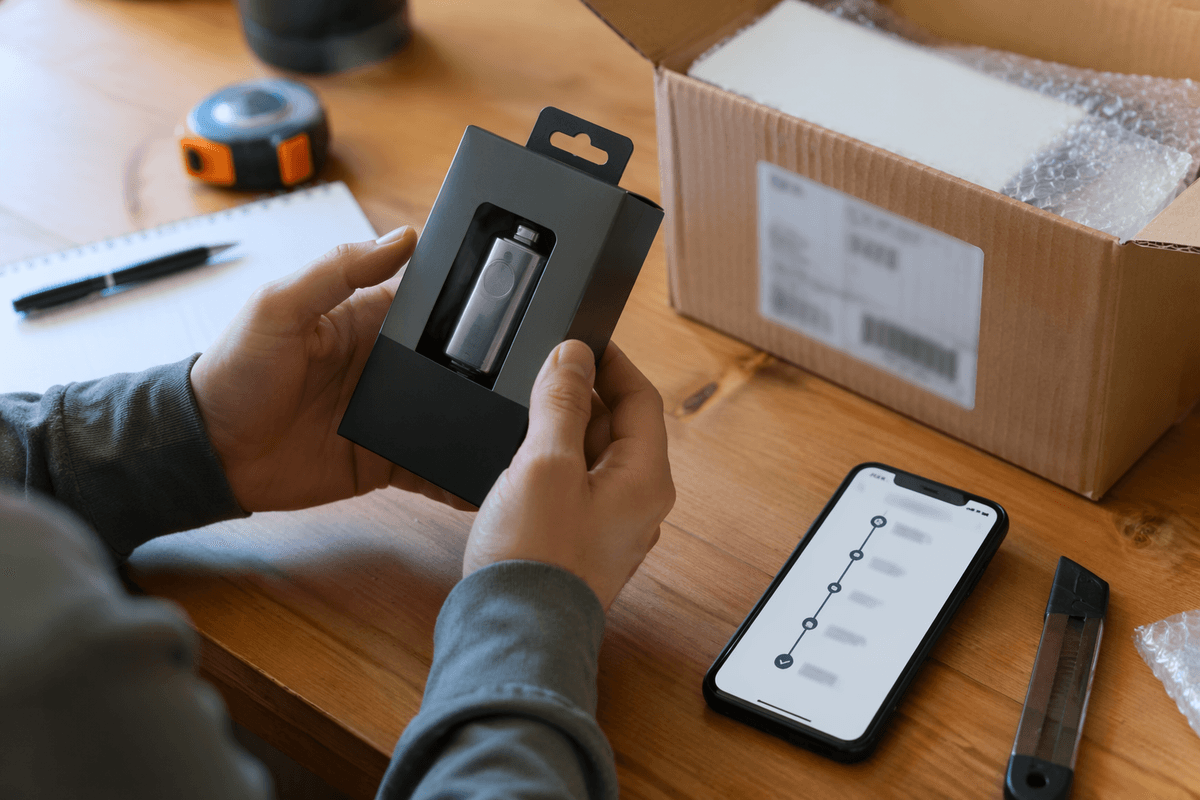
Once the niche can survive refunds on paper, the next failure point is quieter: a supplier who turns your “proof week” into customer support hell. Early on, you don’t have buffer cash for reships, and you don’t have time to wait three days for a reply while a buyer opens a dispute. So don’t “browse products.” Start acting like you’re screening a partner you’ll be stuck with when something goes wrong.
Pick 2–3 suppliers and run a small due-diligence sprint before listing anything: message them with two specific questions (processing time and what happens on damaged/late delivery) and time the response. Ask for real tracking examples to your main country. If they dodge, delay, or answer like a script, that’s your future at 2 a.m. with an angry customer.
Then buy one sample, even if it hurts. The constraint is simple: $30–$80 now is cheaper than ten refunds later. If the packaging, tracking, or “quality feel” doesn’t match your product page, you’re not testing demand—you’re testing chargebacks.
Price the product after every fee and failure
The sample lands and it’s decent, but the first real pricing mistake usually happens before the first sale: using the supplier’s unit cost as if it’s the cost. In a proof week, the price has to carry the boring stuff—payment processing, platform fees, a discount code someone will find, and the “one weird order” that forces a reship. If you set price with only the happy path in mind, you’ll spend the week doing support while quietly subsidizing every package.
Write a one-order “all-in” cost line that includes: product + shipping, transaction fee (percentage plus fixed), and a small failure allowance (refunds, reships, chargebacks). Then price from the margin backward. If your proof target needs $8–$12 contribution per order, don’t guess—solve for the minimum price that produces it even when 1 out of 20 orders needs a reship. The constraint is harsh but useful: if the required price looks unbuyable, the SKU isn’t a test, it’s a donation.
Only after that, decide how you’ll make the price feel reasonable: bundle two units, add a small accessory, or shift to “free shipping” with a higher list price. What matters is that the math still survives the messy week you’re about to have.
Build a lean store that measures truth quickly
The temptation now is to “finish the store,” but the proof week only needs a checkout that can fail loudly. Keep the build to one product page, one offer, and one clear promise about shipping times that matches what your supplier actually did on the sample order. Skip bundles of apps, skip fancy pop-ups, skip anything that adds loading time or another monthly bill. A basic theme, a single FAQ that answers the two dispute triggers (delivery window and refunds), and an order confirmation email that repeats expectations is enough.
Set up measurement before you publish. Install analytics, turn on add-to-cart and purchase events, and create a simple dashboard: sessions, add-to-cart rate, checkout initiated, purchases, and refund requests. Add one friction test: force yourself to place a test order, then process a refund, so you know how long cash is tied up. The constraint you’re building around is time—if you can’t see where the drop happens within 24 hours, you’ll waste the week fixing the wrong thing.
Validate demand without ads, then choose to scale
The store is live, the tracking is working, and now the constraint becomes attention. For seven days, treat traffic like a manual resource, not a budget line. Post the product where intent already exists: answer a specific question in a niche Facebook group, list on Marketplace or eBay with the same offer, message 20–30 micro-creators for a simple “I’ll ship you one” deal, or publish two short videos that show the product solving one clear problem. Keep a log of every link so you can tie sessions to behavior, not vibes.
Then decide with the funnel, not hope. If you can reach 200–300 qualified visits and hit 10 paid orders with your target contribution margin, you’ve earned the right to test paid acquisition in small bites. If you get clicks but no carts, change the offer or creative. If you get carts but no purchases, shipping cost or delivery window is killing you. If you get purchases plus refunds, the supplier or expectation-setting failed—don’t “scale” a support nightmare.









![How to Become an Investor [Exactly What It Takes]](static/image/2026/07/14/2a4c5f88-5ccc-423a-b75c-d6c25c492ab7.png)