Why oats feel like a “safe” everyday food
The first few mornings with oats can feel almost suspiciously easy: warm, mild, and unlikely to “set you off” the way a sugary pastry or a greasy sandwich might. Part of that comfort is practical—oats don’t have an aggressive flavor, they’re familiar, and they’re simple to portion into a bowl that looks like a reasonable choice.
But the “safe” feeling usually comes from what happens after you eat. Oats tend to digest more slowly than many breakfast cereals or white toast, so the rise and fall in energy may feel less sharp. In some situations, that calmer curve shows up as fewer mid‑morning cravings, or less of that slightly wired-then-flat feeling that makes you hunt for snacks.
This sense of steadiness is inconsistent when the bowl changes. Instant oats, big servings, or lots of added sugar and creamy mix-ins can tilt the experience back toward a quicker spike and a faster return of hunger—making it seem like oats “stopped working,” when it’s really the setup that shifted.
Beta-glucan’s slow work on cholesterol patterns
Somewhere around the second or third week, the bowl can start to feel “too ordinary” to be doing much of anything. Your energy might be the same, your appetite cues only a little calmer, and it’s easy to assume oats are just a neutral carb that happens to be convenient.
Beta-glucan doesn’t usually announce itself with a noticeable sensation. It’s a soluble fiber that thickens in the gut, and that thickness can change what gets reabsorbed as food moves through—especially compounds tied to bile. Over time, your body may pull a bit more cholesterol from the bloodstream to make new bile, which is why the effect shows up as a slow shift in lab patterns rather than a day-to-day “feeling.”
A small sprinkle of oats in a smoothie, or a thin instant packet that’s mostly sweetened flavoring, may not provide enough beta-glucan to move the needle. And if the oat routine comes with lots of butter, cream, or sugary add-ins, the numbers can look stubborn even when the habit feels healthier.
Blood sugar steadiness depends on the whole bowl
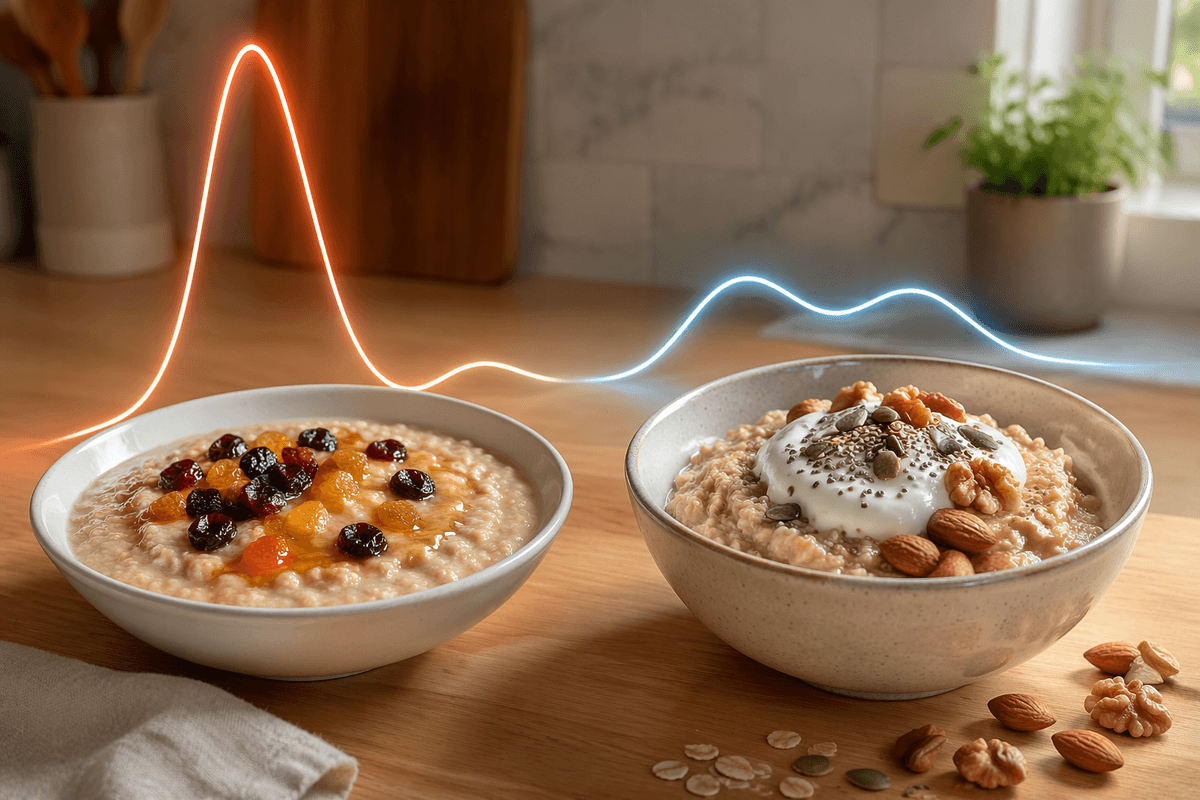
It often shows up as a small timing issue: you finish your oats, feel fine for a while, and then get that sudden “I need something” feeling earlier than you expected. People sometimes blame the oats for being “just carbs,” but the pattern is usually coming from how quickly the bowl gets broken down—and what else was (or wasn’t) in it.
Oats can slow digestion compared with many refined breakfasts, yet the form matters. Instant or finely cut oats tend to soften fast and can be easier to digest quickly, especially when they’re cooked into a thinner texture. That can mean a faster rise in blood sugar and insulin for some people, followed by a more noticeable dip—less a dramatic crash, more a quiet slide into irritability, fogginess, or snacky restlessness.
The “whole bowl” effect is where it gets confusing. A bowl built mostly from oats plus honey, dried fruit, or flavored packets may act closer to a sweet breakfast than it looks. But when the bowl includes enough protein and fat—often from milk, yogurt, nuts, or seeds—the same oats can land differently, because the stomach tends to empty more slowly and the glucose curve may smooth out.
Fullness signals and appetite can subtly recalibrate
Halfway through the morning, the change can be oddly quiet: you glance at the clock and realize you haven’t been thinking about food. Not in a dramatic “stuffed” way—more like your usual snack alarm got pushed back. Then on a different day, the same oats seem to vanish, and you’re rummaging for something crunchy an hour later.
That inconsistency often comes from how fullness signals build. Oats’ soluble fiber can thicken as it mixes with fluid, which may slow how quickly the stomach empties and stretch out the steady trickle of nutrients into the bloodstream. When that happens, hormones tied to hunger and satiety tend to move in a less jumpy pattern, so appetite can feel calmer rather than “shut off.”
But the bowl can accidentally train the opposite response. A thinner, sweeter serving—especially instant oats that go down fast—can leave less chew and less staying power, even if the calories look similar. And if toppings turn oats into a dessert-like breakfast, your body may learn to expect a quicker reward, which can make normal hunger feel louder the next day.
Gut microbes notice oats before you do
You might notice it first in a way that feels too minor to credit to breakfast: a little more gurgling after lunch, a different rhythm in the bathroom, or a day where you feel slightly puffier than usual. It’s easy to write it off as “something I ate yesterday,” especially because the rest of the oat routine can feel unchanged—same energy, same appetite, same bowl.
But your gut microbes tend to respond to the regularity of fiber long before you can label the effect. Oats bring soluble fiber (including beta-glucan) and other fermentable bits that certain bacteria use as fuel, and that fermentation produces gases and short-chain fatty acids. In some people, that shows up as smoother stool and less urgency; in others, it’s the opposite at first—more pressure, more sound, or a new sensitivity—because the microbial mix is adjusting to having more to ferment.
A thicker steel-cut bowl, more water, and a slower eating pace can land differently than a sweet instant packet with less fiber and more quick-digesting carbs. Even the “healthy” add-ins matter: piling on dried fruit or sugar alcohol sweeteners can make it feel like oats are the problem, when the gut is really reacting to the total fermentable load.
Heart-health halo: helpful, but not automatic
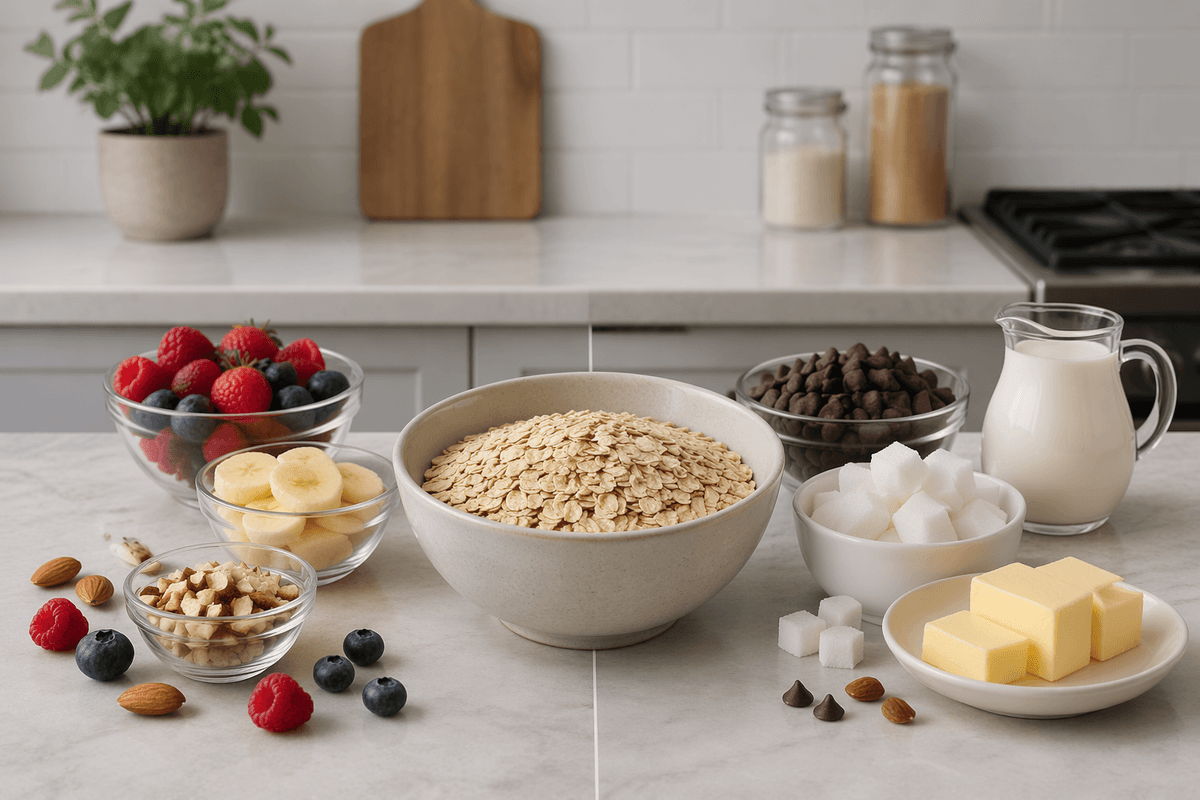
It can be a little awkward when someone praises your “heart-healthy breakfast” and you realize your bowl is mostly oats plus brown sugar, a heavy pour of cream, and a handful of chocolate chips. The label still feels true—oats have a reputation for a reason—but the body tends to respond to the whole pattern, not the headline.
Oats’ soluble fiber can nudge cholesterol trends in a helpful direction over time, yet it’s a quiet effect that’s easy to cancel out without noticing. If the oat routine also adds a lot of saturated fat, extra sugar, or simply more calories than your old breakfast, the numbers and blood-pressure pattern may stay stubborn even as the meal feels “better.”
The same food can support a steadier, lower-friction routine in one kitchen and become a sweet, calorie-dense habit in another. When the preparation shifts, it may feel like oats stopped being special, when it’s really the surrounding choices doing the talking.
Who may need a different oat strategy
Some mornings it isn’t hunger that shows up—it’s the feeling that the bowl sits heavy, or that your stomach gets louder in the hour afterward. People often assume that means oats “don’t agree with them,” but the mismatch is sometimes about texture, speed, and load: a big, thick serving of fiber can feel like too much when your gut isn’t used to it, while a thin instant packet can feel oddly unsatisfying and leave you chasing snacks.
There are also people for whom oats are simply harder to make work as a daily default. If you’re managing celiac disease or significant gluten sensitivity, oats may need extra caution because they’re often contaminated with wheat, barley, or rye unless they’re specifically gluten-free. And if your blood sugar tends to swing, oats can be a “depends” food—some bowls land steady, others act like a sweet breakfast when the portion is large or the add-ins lean sugary.
Even the “healthy” goal can complicate it. If you’re trying to gain weight, a plain oat bowl may not carry enough calories without careful add-ins; if you’re trying to feel lighter, the same add-ins can quietly turn oats into a dense, dessert-like habit. The point isn’t that oats are wrong—it’s that your results may be pointing to a different version of oats, or a different breakfast altogether.