It’s not the Alps—it's the right base
I hesitated at a station café with my phone open to three tabs—Chamonix, Annecy, Morzine—while a damp wind pushed rain under the awning. On a map, they’re all “French Alps,” but the 08:10 bus icons and the tiny “last return” times told a different story. I’d pictured choosing peaks; I was really choosing how hard it would be to meet people and move around without burning half-days on transit.
Chamonix is the obvious headline base, and that’s both the perk and the tax: it’s easiest to find guides, trail partners, and last-minute day groups, but you’ll pay for the convenience and you’ll feel the crowd flow in summer and peak ski weeks. Annecy reads calmer and more mid-budget—lake swims, flatter warm-up runs, and a softer landing if you’re unsure on exposure—but it can turn “quick hike plan” into a timed logistics puzzle if you’re relying on buses to reach higher trailheads. Morzine sits in the sweet spot for a social, sporty week (MTB and lift-linked hiking), though it works best if lifts are running and you’re okay trading big-name drama for a smaller valley feel.
If you’re nervous about being isolated, pick the base that lets you say yes at 6 p.m. without needing a car or a flawless forecast.
Choose your solo style first
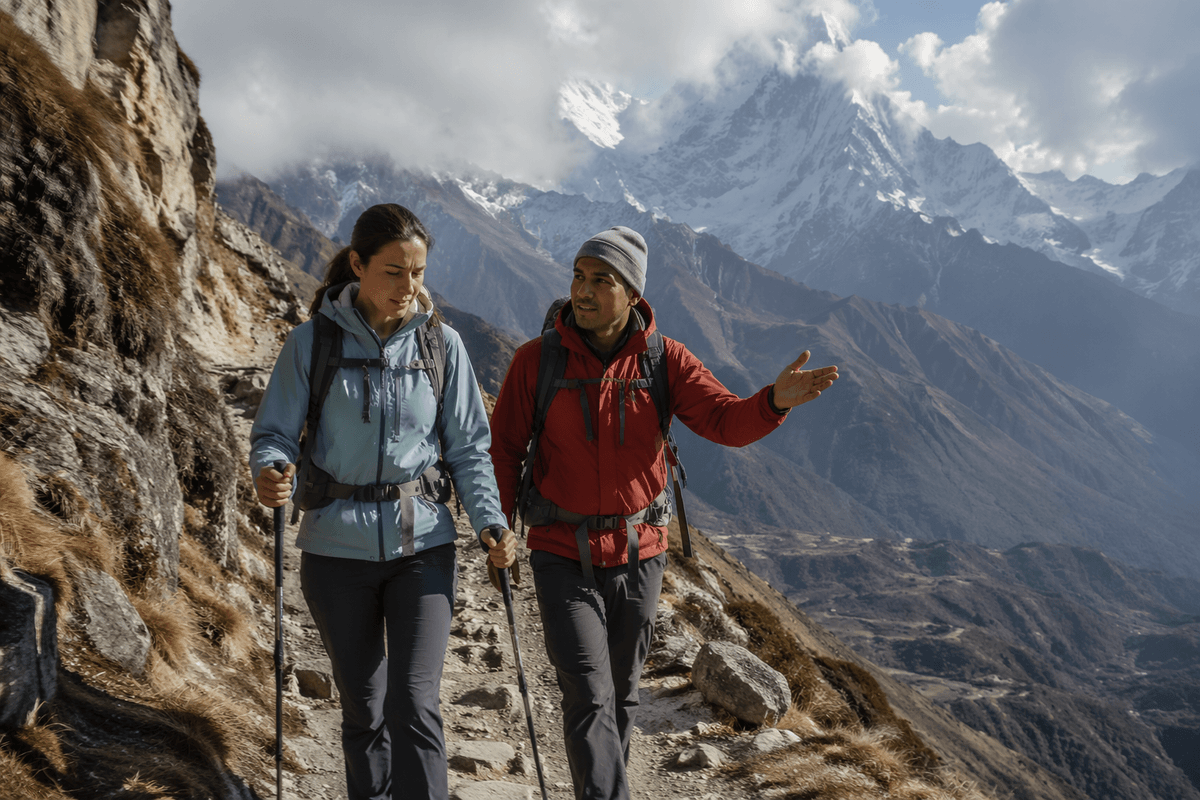
I nearly booked a “social week” package on a Tuesday night—three clicks from paying a deposit—then paused when the itinerary said “early start daily” and the meeting point was 07:15, “location TBC.” That’s when it clicked that the choice isn’t independent versus guided, it’s how much structure you can tolerate when you’re tired, a little unsure of terrain, and still trying to meet people. If your week only works when the weather and your legs cooperate, too much schedule can feel like a trap.
There are basically two solo styles that actually fit a 7–10 day mid-budget trip. Style A is “anchor days + free days”: you book 2–4 guided outings (for safety, route choice, and built-in conversation), then leave gaps for lake swims, easy valley runs, or a lift day when your knees veto another big descent. Style B is “all-in group week”: you pay more, you think less, and you get instant company—great if you hate eating dinner alone, less great if the pace is set by the fittest person who packed poles and a spreadsheet.
If you’re worried about cliques, look for day groups with clear difficulty notes and a public meet point (cable car base beats “we’ll pick you up”). If you’re worried about being out of depth, prioritize guides over bravado: you can always add distance later, but it’s hard to enjoy a view when you’re silently managing fear.
Best French Alps bases for each vibe
I stood under the Chamonix Sud bus shelter watching a line of people in harnesses shuffle toward the Aiguille du Midi, and I caught myself doing the mental math: €20 cable car versus a free trailhead bus that might not show. The vibe was “big mountain, big options,” but it also felt like you could disappear into the noise if you don’t book at least a couple of fixed outings. For a solo week, that’s the trade: maximum choice, minimum forgiveness if you leave logistics to the day-of.
If your priority is meeting people through shared risk (without doing anything reckless), Chamonix works best in summer and shoulder-season hiking when daily guide programs run and you can join a hut day, a glacier intro, or a trail-running group without needing a car. It doesn’t work as well for “I’ll wing it” budgets—last-minute beds and weather-plan B cafés add up fast, and the crowd flow can make you feel weirdly alone even in a packed valley.
Annecy is the soft-entry base: lake mornings, easier bailout routes, and a calmer social tempo that suits people who want activity without proving something. The limitation is altitude access—your bigger days depend on buses and timing, so it’s better for “anchor days + free days” than a spontaneous suffer-fest. Morzine is the sporty middle when lifts are running: lift-linked hiking/MTB makes fatigue management simpler, and group chats form naturally around bike parks and après, but it’s less dramatic if you’re chasing iconic glaciated views. If you’re torn, pick the place where you can still have a good day when the forecast turns.
How to join groups without awkwardness
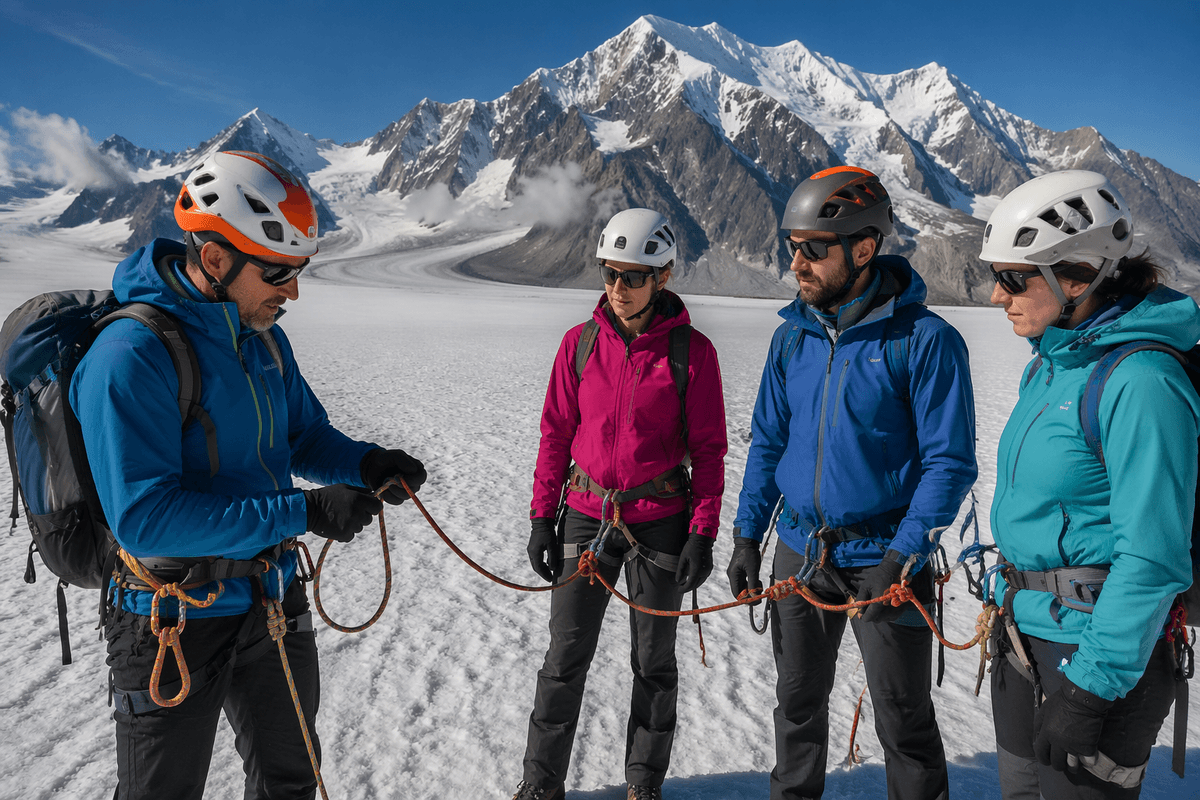
I hovered outside the Compagnie des Guides office in Chamonix at 18:42, reading the chalkboard twice because “trail run—intermediate” can mean two very different things depending on who wrote it. A couple in matching vests signed in like regulars, and I had that split-second urge to pretend I was just checking prices. Walking in felt higher-stakes than any uphill.
What helps is choosing formats where conversation is “built into the task,” not forced: a half-day hike, a beginner glacier intro, or a skills session beats a full-day sufferfest if you’re worried about being the quiet one. Public meet points (lift base, guide office) are less awkward than hotel pickups, and they filter for people who can navigate basics. If you want the lowest-friction entry, book one outing early in your week; waiting until day five often means sold-out slots or only the hardest option left.
Clubs and repeat clients can feel cliquey, but it’s usually just familiarity. Say one concrete thing when you arrive—“I’m here for the 09:00 Lac Blanc day, first time in the valley”—and then let the route do the social work. The real trade-off is honesty: pick the easier grade if you’re unsure, because “keeping up” is a terrible way to meet people, and it’s the fastest path to quiet stress instead of shared stoke.
Solo-friendly logistics that make or break it
I learned the hard way at 21:07, crouched on a hostel stairwell with one bar of signal, trying to reserve a last cable car slot while the booking page spun. The receptionist had just said, “Tomorrow might be the only clear window this week,” and suddenly my “loose plan” felt like a gamble. When you’re solo, you don’t get to outsource indecision to a friend who already bought the tickets.
The make-or-break logistics in the Alps aren’t sexy: they’re lift timetables, last buses, and whether your guided day starts somewhere you can actually reach. Chamonix is forgiving because you can often walk or bus to meet points, but it punishes late booking—popular days fill, and weather-shifted demand stacks up fast. Annecy is cheaper to base in, yet the trade-off is altitude access: if the bus to a trailhead is twice a day, your “easy morning” becomes a timed departure, and missing it turns into an expensive taxi or a flat lakeside Plan B.
If you want a social, active week without overpaying, book two anchors early: one guided day with a clear grade (so you’re not stress-pacing a stranger), and one lift-dependent day on the best forecast. Leave the rest flexible for fatigue and weather—because the real safety move isn’t bravado, it’s giving yourself permission to pivot without losing the whole day.
My picks for a first solo Alps week
On my first morning, I stood at a bakery counter at 07:28 with a coffee that was too hot to drink and a phone full of “maybe” trails. The forecast had moved the clear window forward by a day, and I could feel that familiar solo hesitation: commit now, or spend another morning optimizing. That’s when I stopped pretending I was flexible and started picking anchors.
For a first 7–10 day trip, I’d build around Style A: anchor days + free days, and I’d choose the base by how much friction you can tolerate when you’re tired. If you want the highest odds of meeting people without needing a car, I’d start in Chamonix for 4–5 nights: book one intro-level guided objective (glacier taster or a classic hike with a clear grade) early, then a second guided day pegged to the best weather. The trade-off is cost and crowd flow—Chamonix makes “say yes at 6 p.m.” easy, but it’s not the cheapest place to recover with a quiet dinner.
If you’re more comfort-driven or easing back into fitness, I’d pivot to Annecy for 2–3 nights at the end: flatter lake runs, swim-able downtime, and lower-stakes social moments that don’t revolve around performance. Morzine replaces that Annecy reset if lifts are running and you want bike-park energy, but it’s less forgiving when weather shuts lift access. My cue is simple: if you’re anxious about being out of depth, buy safety (a guide) before you buy intensity (a bigger day).